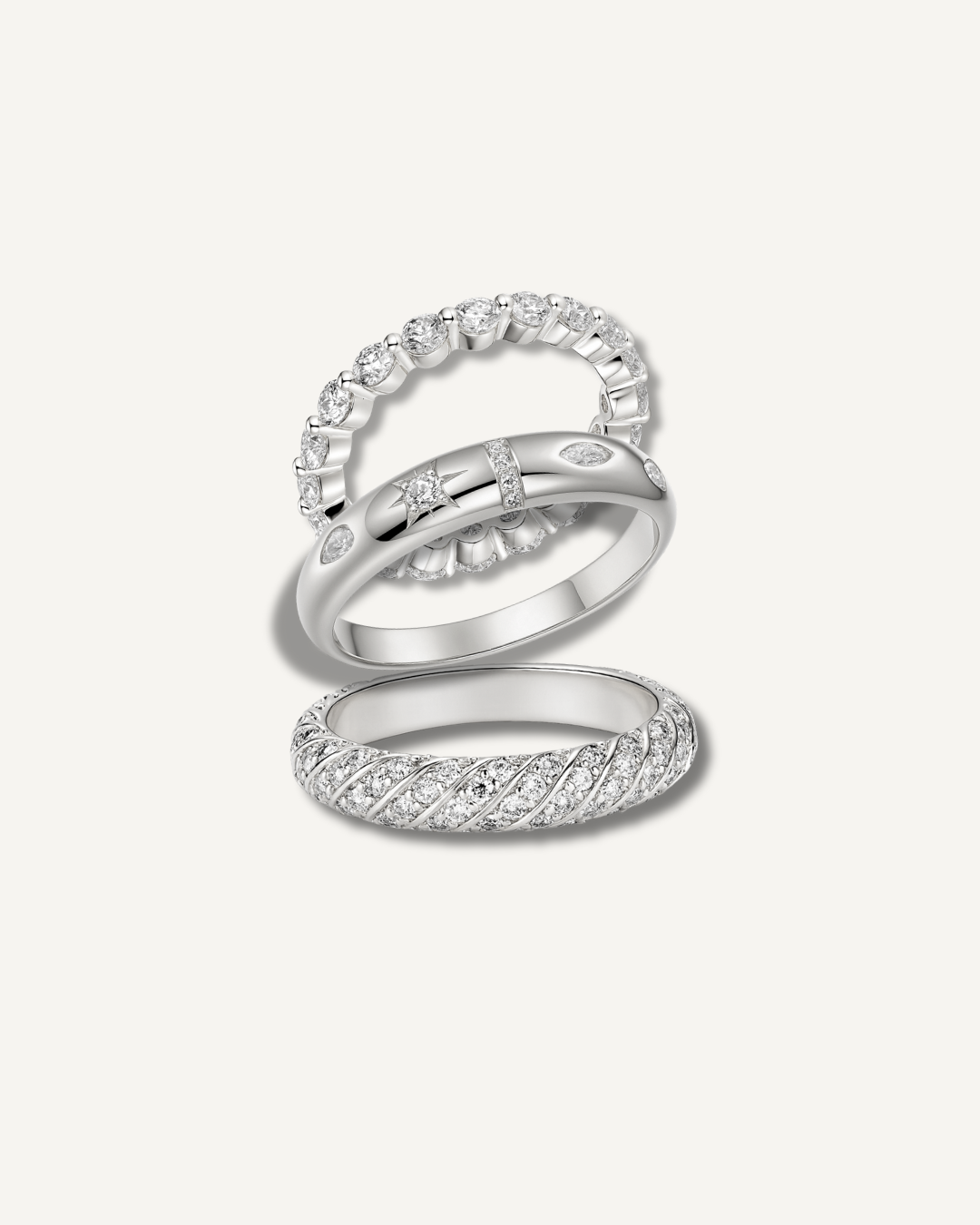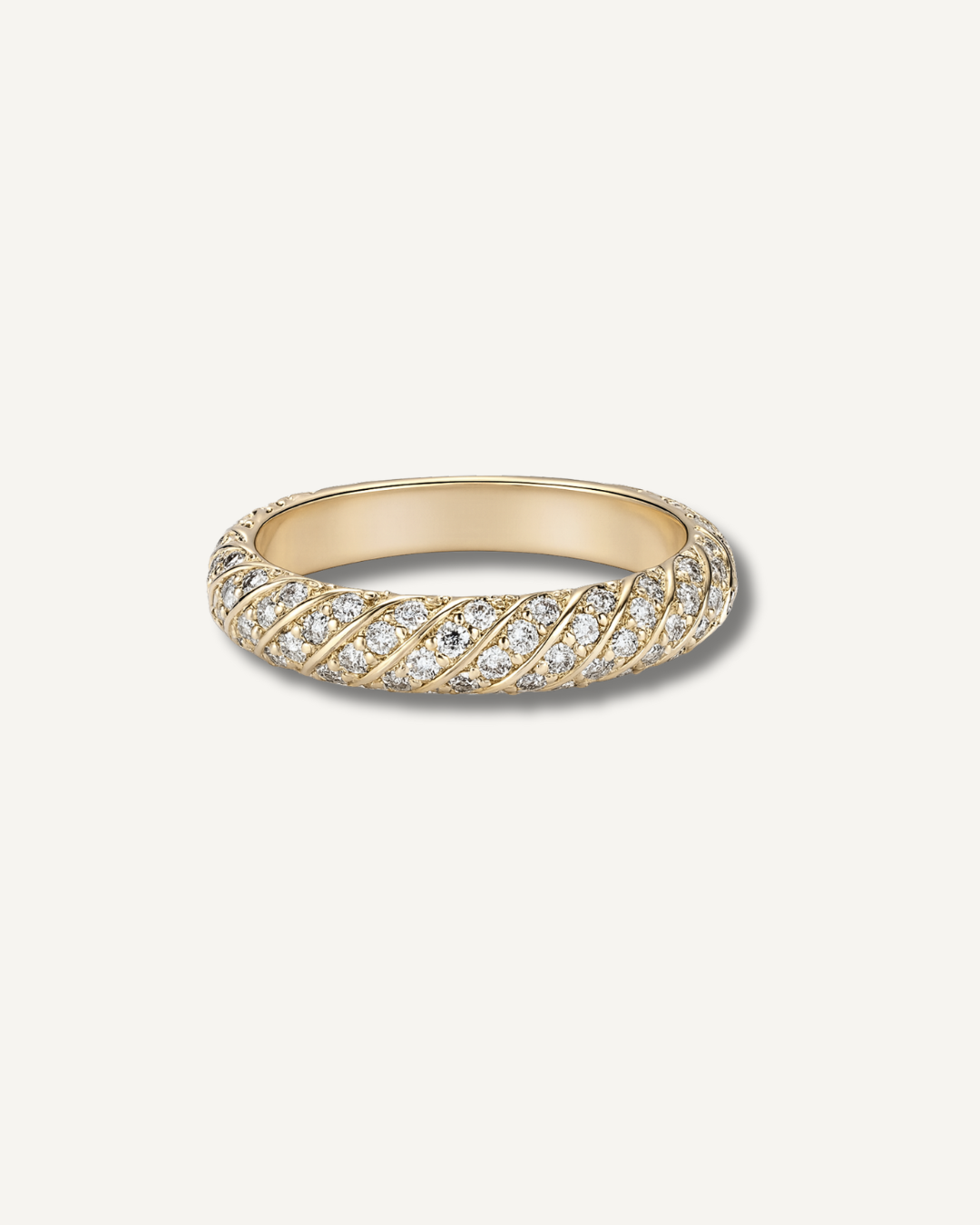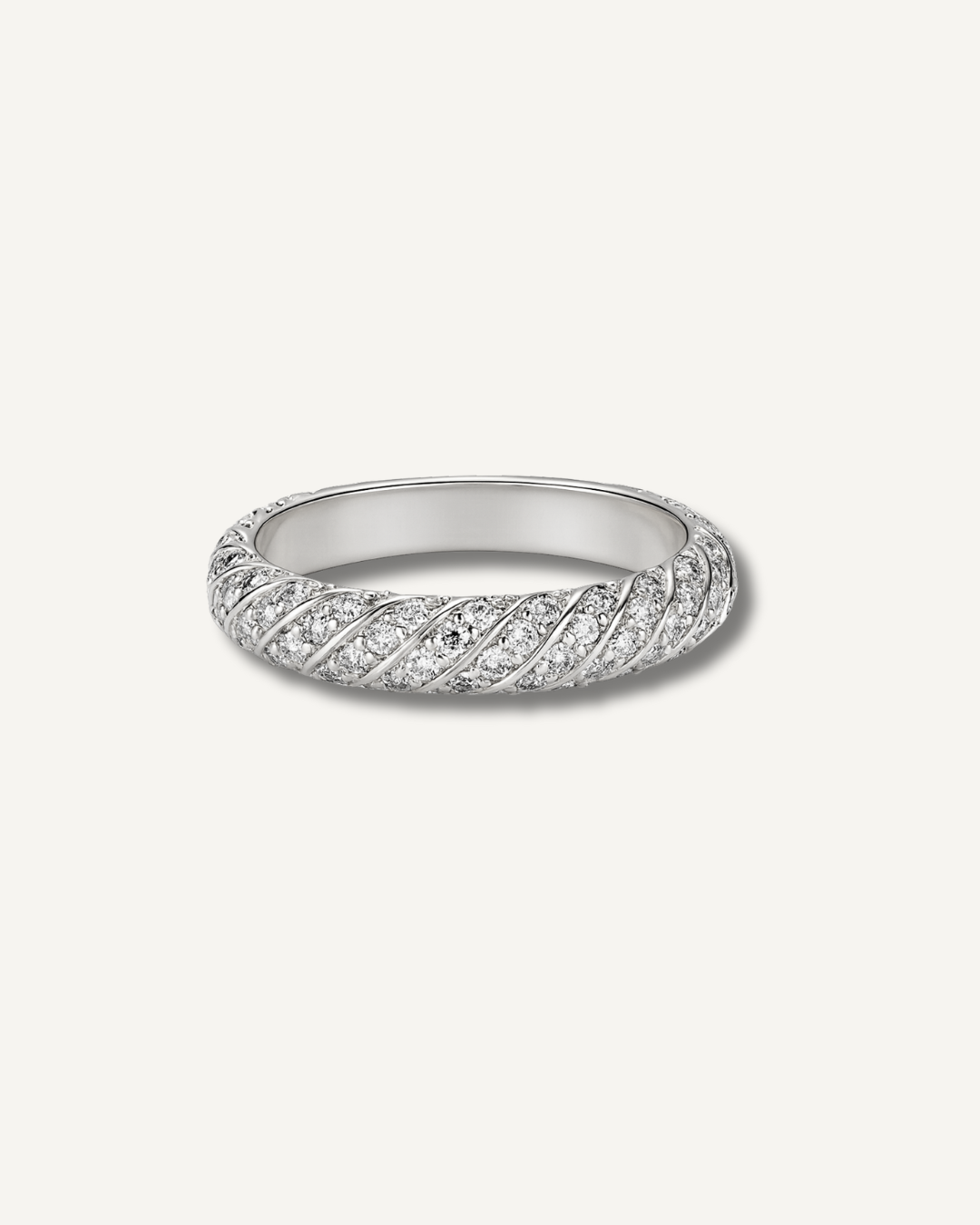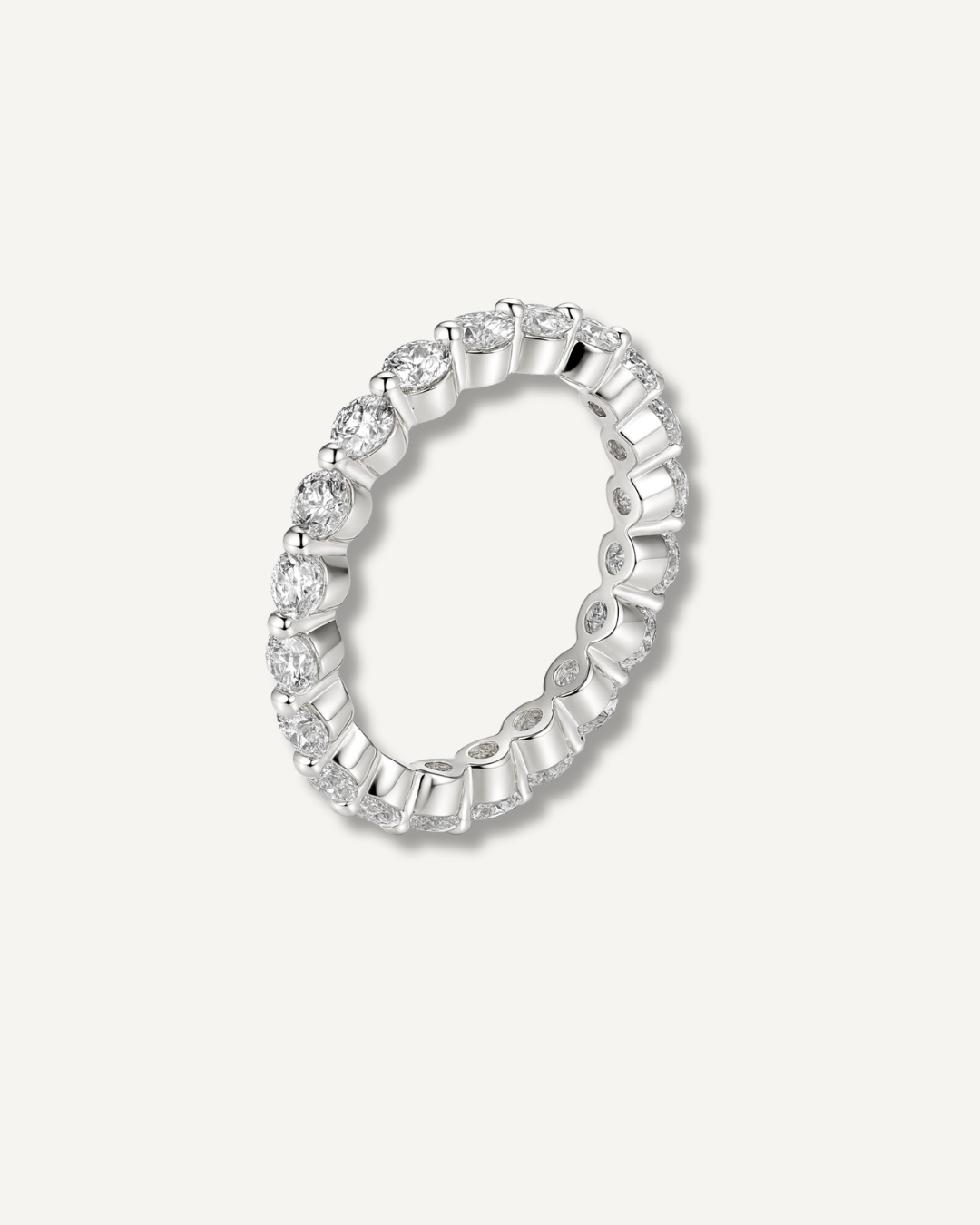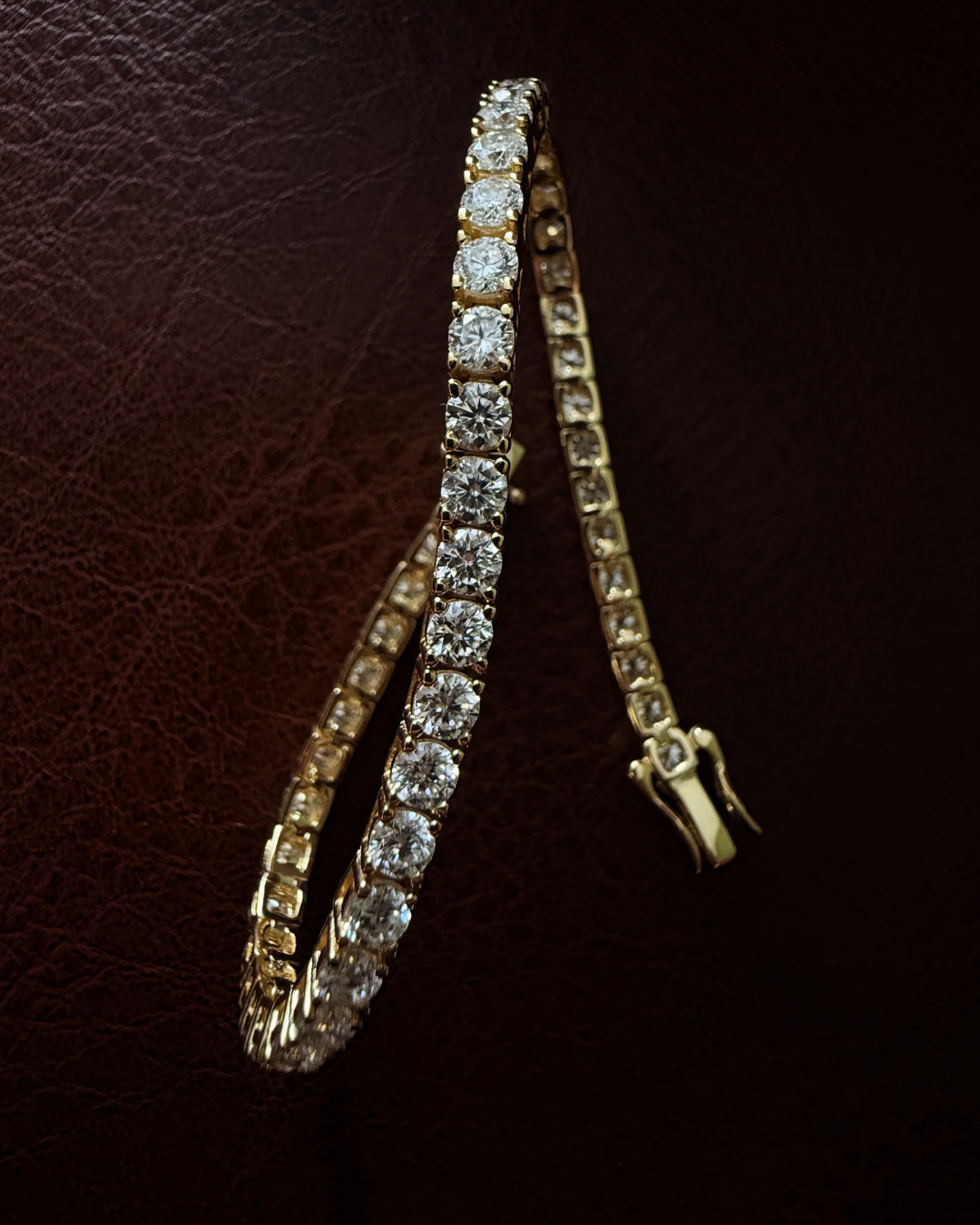
Moissanite 101: I Googled What Everyone Is Asking…
and Here’s Everything You Should Know
Moissanite has actually been around for decades… so why didn’t it blow up sooner?
My hot take? Billion dollar companies in the jewelry industry were threatened by a gemstone that gave diamond-level beauty without diamond-level pricing — so the industry just kept it quiet.
But now moissanite is everywhere: on your feed, in your 'for you' page, and all over Google.
And people are asking everything:
“Is it durable?”
“Does it get cloudy?”
“Is it real?”
“Is it worth it?”
Clearly, moissanite is finally having its moment and needs a moissanite big sister.
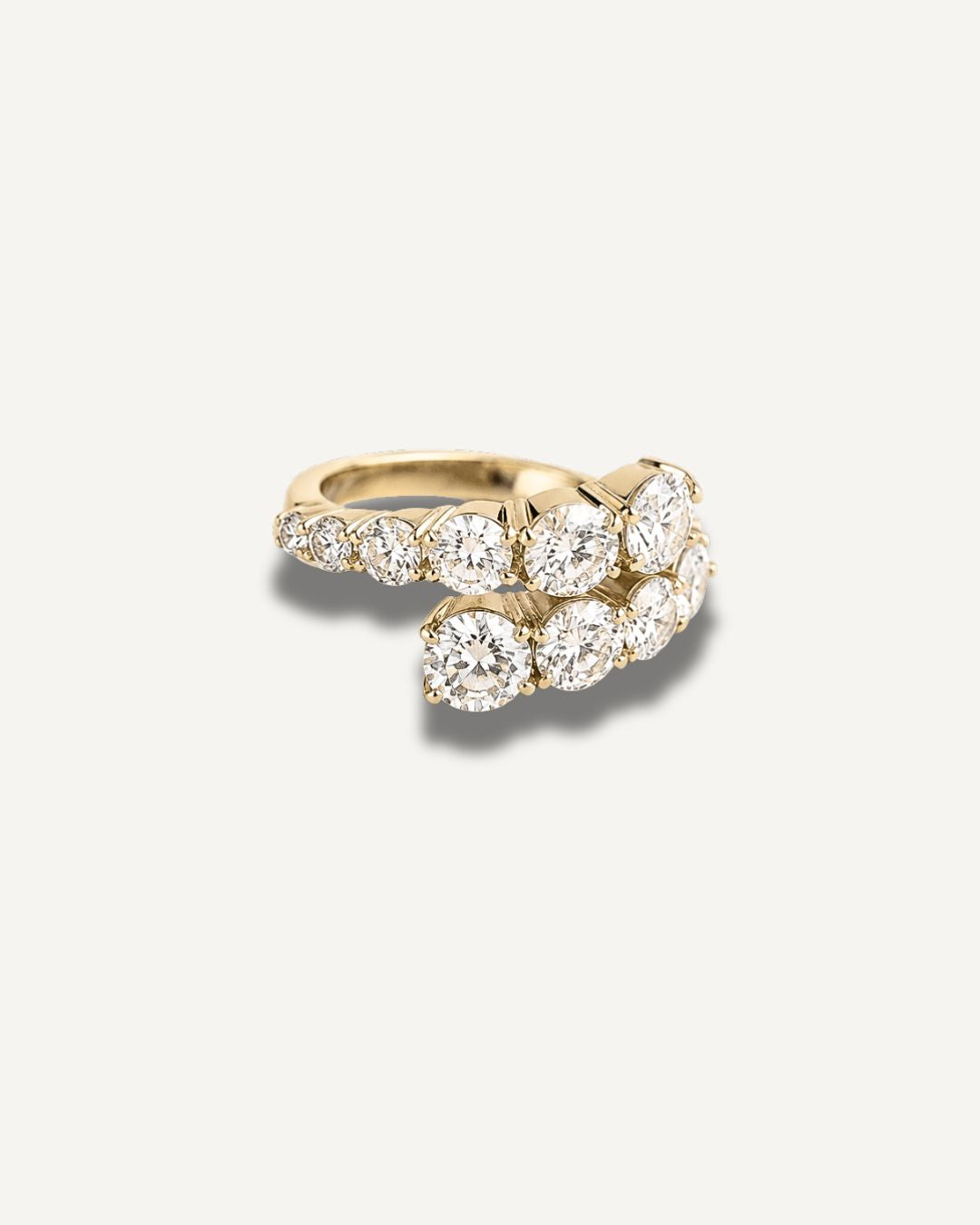
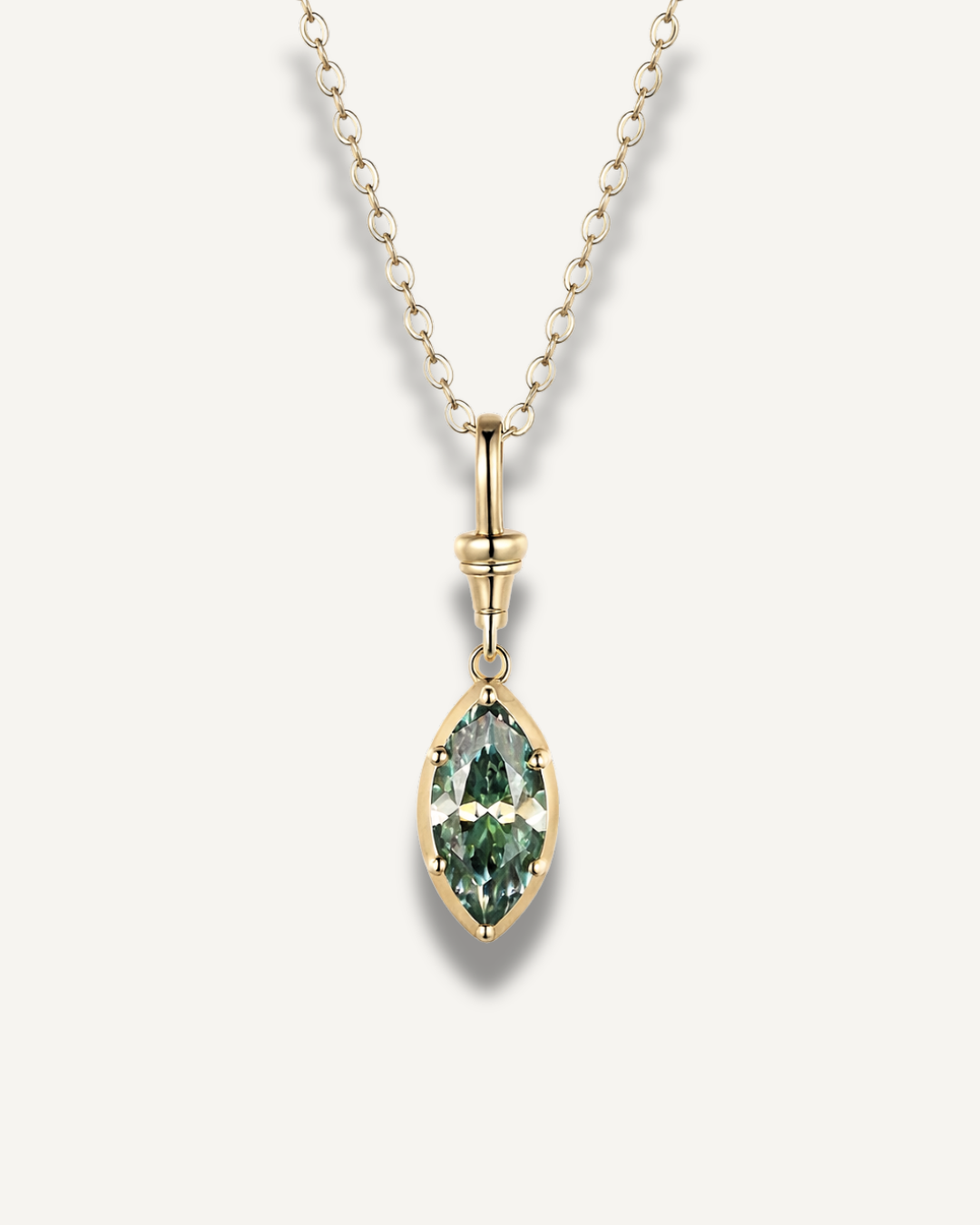
Hi — that’s me. I run Kampy Designs, a boutique brand working exclusively with premium, certified moissanite.
This is your no-BS, no-gatekeeping guide to the gemstone everyone is suddenly obsessed with.
Let’s clear things up.
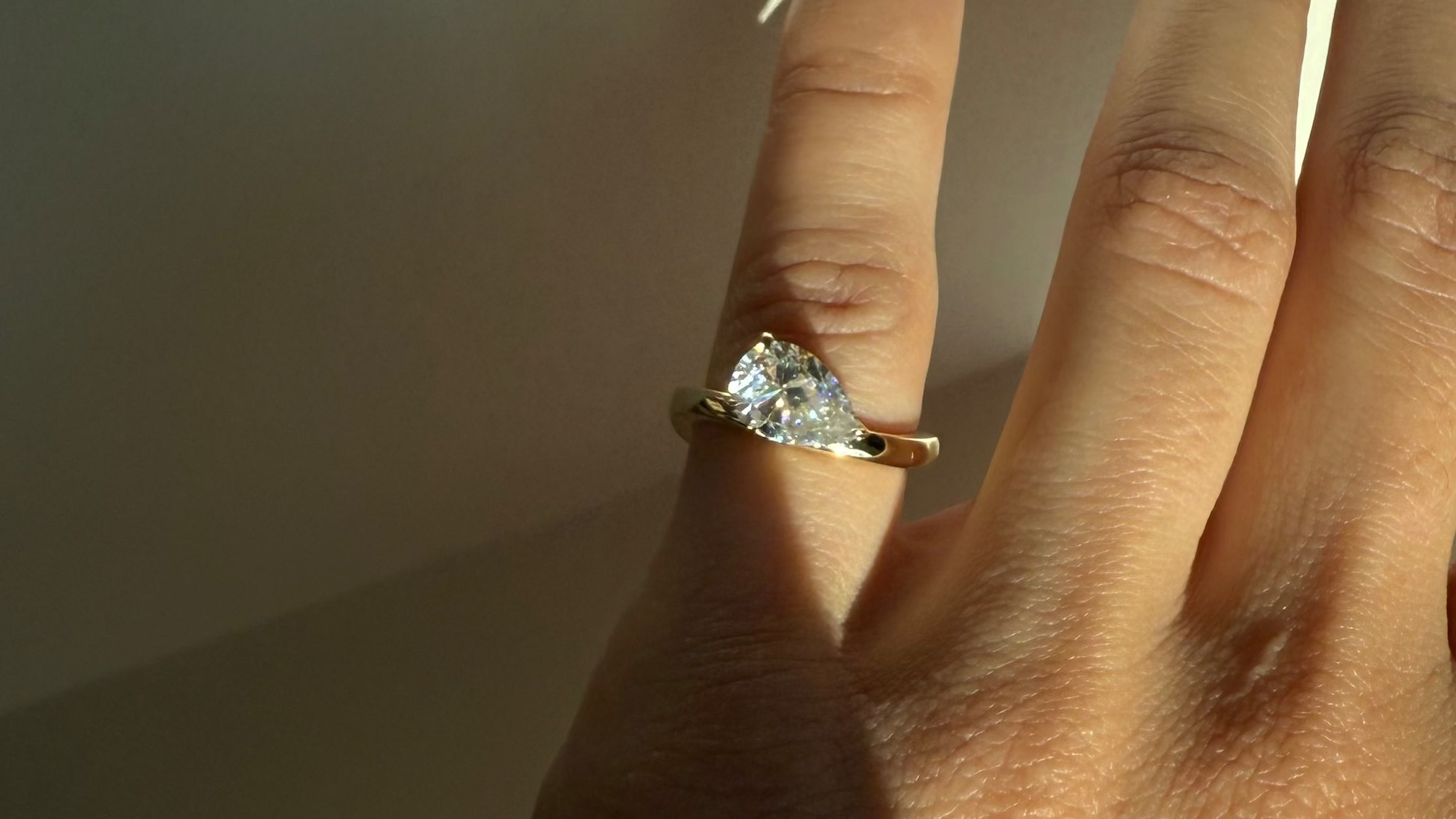
WHAT IS MOISSANITE, REALLY?
The 10-Second Origin Story
Moissanite was first discovered in 1893 by French chemist Dr. Henri Moissan inside a meteorite crater in Arizona — he actually thought it was diamond at first. After studying it, he realized it was a completely different mineral: silicon carbide.
Because natural moissanite is extremely rare (found only in meteorites + deep mantle rock), Tiffany & Co.’s gem expert George Kunz later suggested naming it “moissanite” in Moissan’s honor.
Today, all jewelry-grade moissanite — including ours — is ethically lab-grown, replicating the same cosmic mineral Dr. Moissan found.
A gemstone with meteorite origins?
Yeah… it’s that cool.
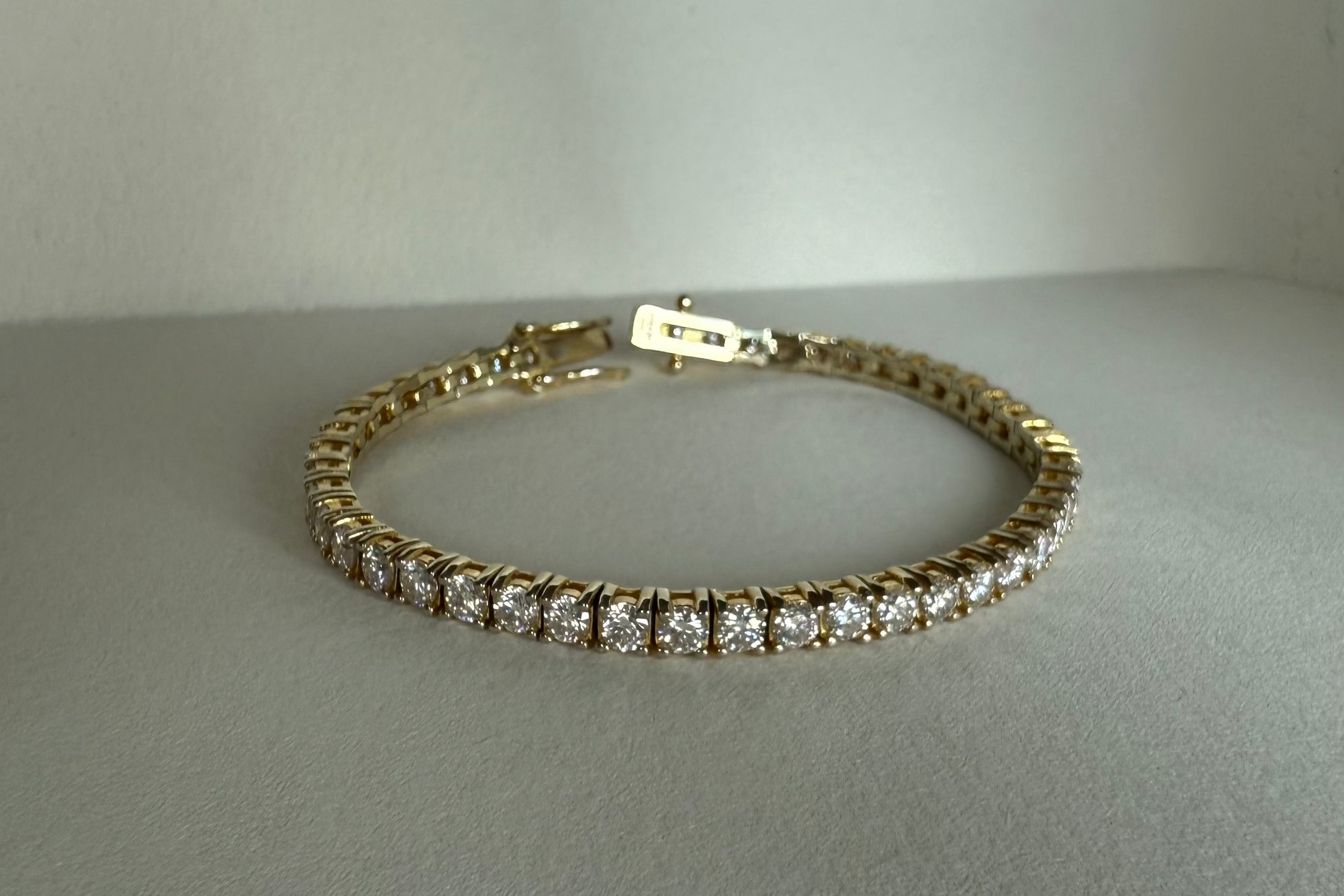
THE QUICK ANSWERS: 5 MOST-GOOGLED QUESTIONS
1. “Is moissanite a diamond?”
No — and that’s the beauty of it.
Moissanite is its own gemstone (like emeralds or sapphires) with its own structure, fire, and brilliance.
It’s not a “fake diamond.”
It’s a smart luxury option.
2. “Is moissanite durable?”
Extremely.
On the Mohs scale, moissanite sits at 9.25 — meaning it’s built for everyday wear, travel, gym days, ocean dips, everything.
3. “Why is moissanite cheaper or more expensive?”
Because moissanite skips:
✔ mining
✔ middlemen
✔ traditional markup structures
You’re paying for quality — not industry inflation.
Premium moissanite (like the kind we use) is not “cheap.”
It’s valued for brilliance, durability, and ethics — not rarity.
4. “Is moissanite man-made?”
Yes — and that’s a good thing.
Lab-grown means:
✔ no mining
✔ no conflict
✔ no environmental impact
✔ perfect clarity + color every time
It’s luxury that makes sense.
5. “Does moissanite get cloudy or turn green?”
No — high-quality moissanite stays clear for a lifetime.
If it ever looks dull, it’s usually just lotion, soap, or sunscreen (a quick wash fixes it instantly).
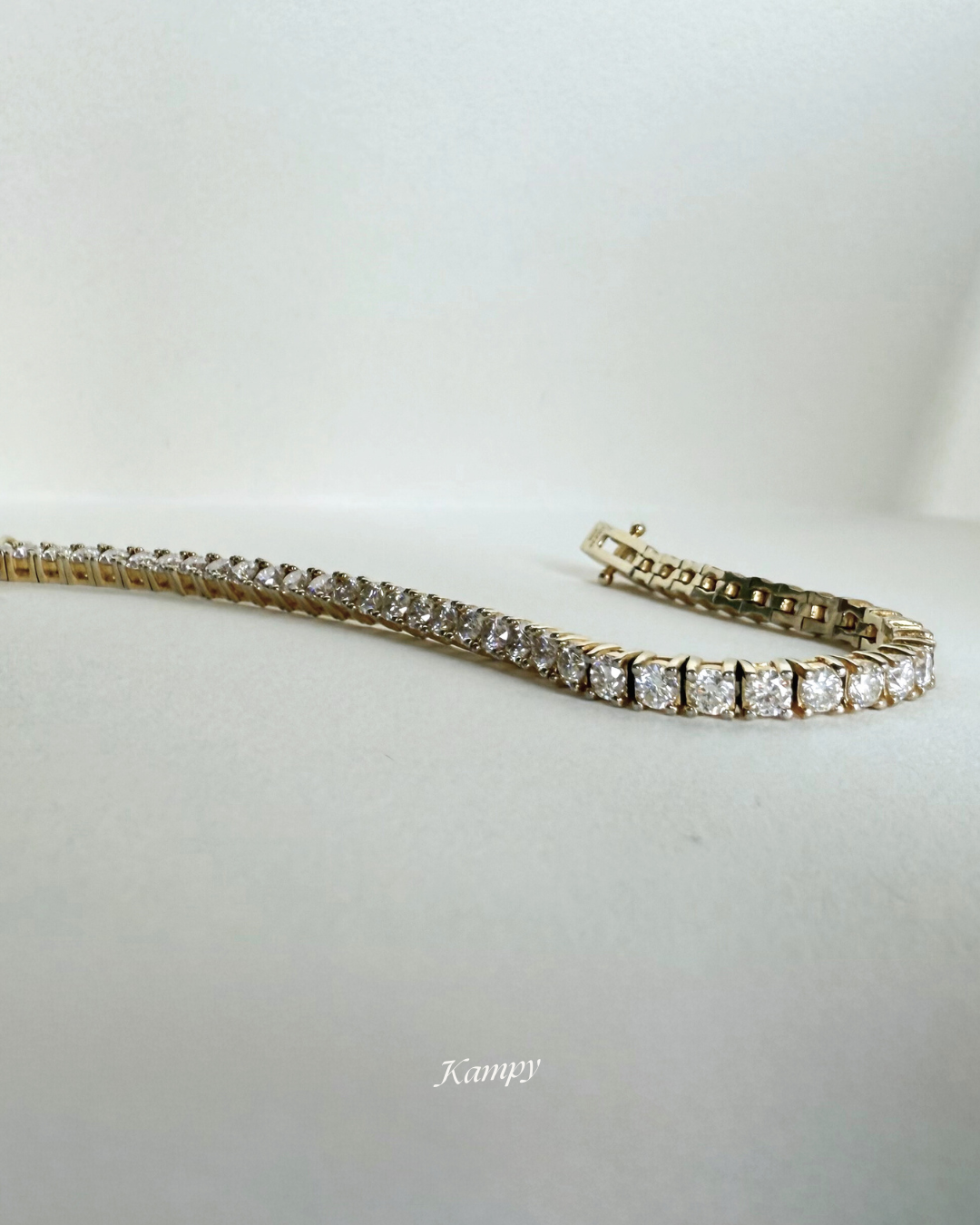
THE REAL REASON MOISSANITE IS TAKING OVER
Moissanite isn’t trying to replace diamonds.
They actually coexist beautifully.
Diamonds are sentimental.
Moissanite is practical luxury — the ring you actually wear everywhere.
People are choosing moissanite because they want:
✔ incredible sparkle
✔ durability
✔ ethical sourcing
✔ affordable luxury
✔ stress-free everyday wear
It’s the gemstone for women who want something beautiful and sensible.
WANT THE DEEPER ANSWERS? I GOT YOU.
I’ve created bite-sized guides for every question you'll probably Google about moissanite:
👉 Is Moissanite a Diamond?
👉 Why Is Moissanite So Cheap?
👉 How Is Moissanite Made?
👉 Does Moissanite Get Cloudy?
👉 Is Moissanite Worth Buying?
👉 Why Does Moissanite Pass a Diamond Tester?
👉 What Moissanite Cut Sparkles the Most?
👉 Where Does Moissanite Come From?
FINAL TAKEAWAY
If you’ve ever Googled “is moissanite…?”
This blog was meant for you.
Moissanite is real, durable, ethical, and beautiful — and it deserves the spotlight it’s finally getting.
Welcome to the smart luxury era.
Welcome to Kampy Designs. ✨
If you’re building a collection of jewelry you’ll actually wear...
EXPLORE OUR MOISSANITE COLLECTION