If you’ve heard that moissanite “passes a diamond tester,” here’s the quick truth:
It’s not because it’s trying to be a diamond.
It’s because moissanite is a high-performance gemstone with similar thermal conductivity.
Let’s break it down — in normal human language.
1. Diamond Testers Measure Heat, Not “Real vs Fake”
Most diamond testers don’t detect what the gemstone is.
They detect how quickly heat moves through it.
Diamonds conduct heat quickly.
Moissanite also conducts heat quickly.
Cubic zirconia does not.
So on a traditional tester?
Moissanite can register similarly.
That’s it. No drama.
2. It Does NOT Mean They’re “The Same”
Moissanite has:
• different chemistry
• different structure
• different brilliance
• different origins
It’s its own gemstone — not a diamond impersonator.
3. Modern Testers Can Tell the Difference
Advanced testers (dual testers or multi-probes) can distinguish between:
• diamond
• moissanite
• cubic zirconia
• other gemstones
Because they detect electrical conductivity, not just heat.
So no — moissanite isn’t “faking” anything.
It’s simply high performing.
4. What This Means For You
Your moissanite jewelry is:
✔ high quality
✔ high durability
✔ high brilliance
✔ and recognized by testers because of its strength
A good thing — not something to be worried about.
5. The Kampy Standard
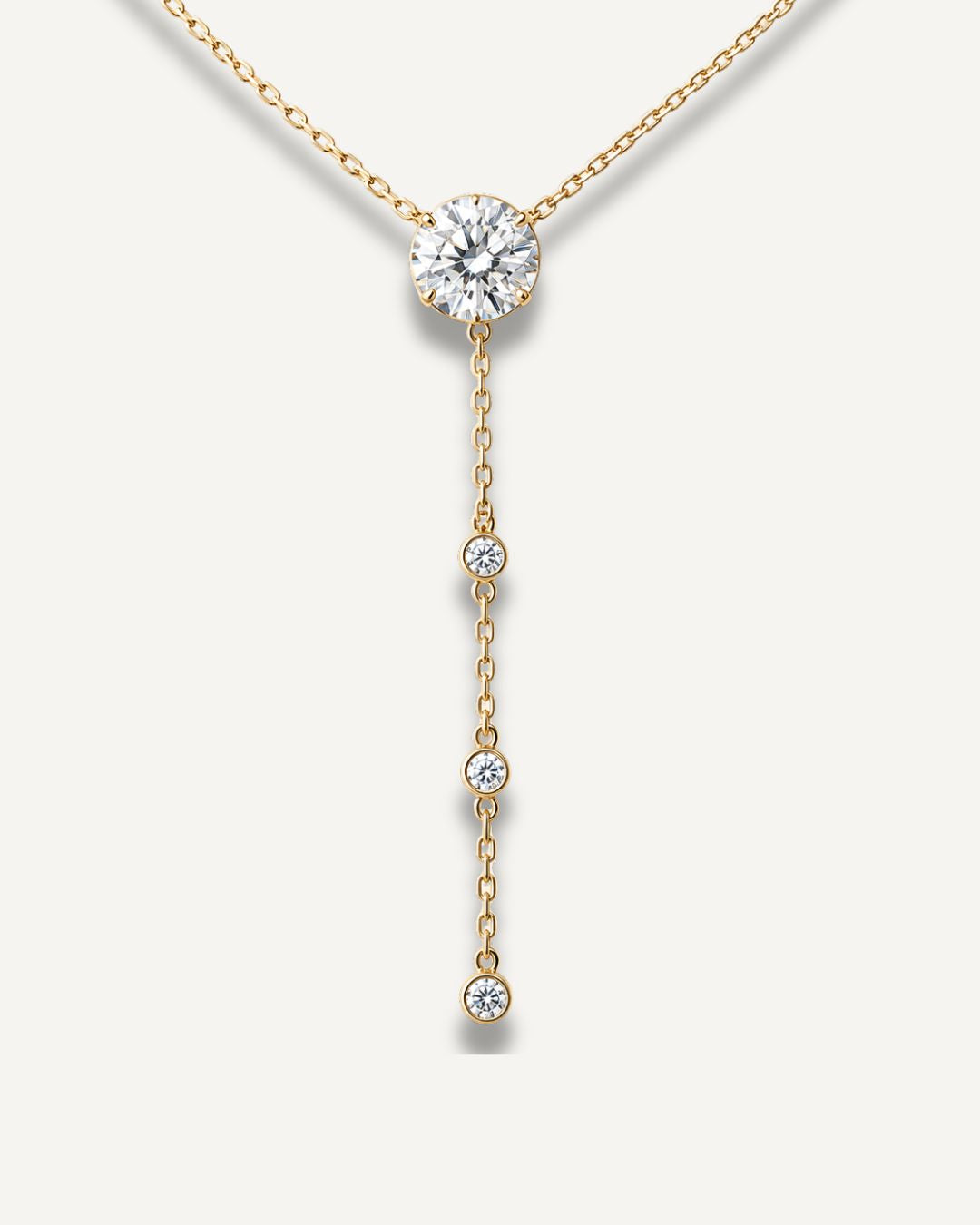
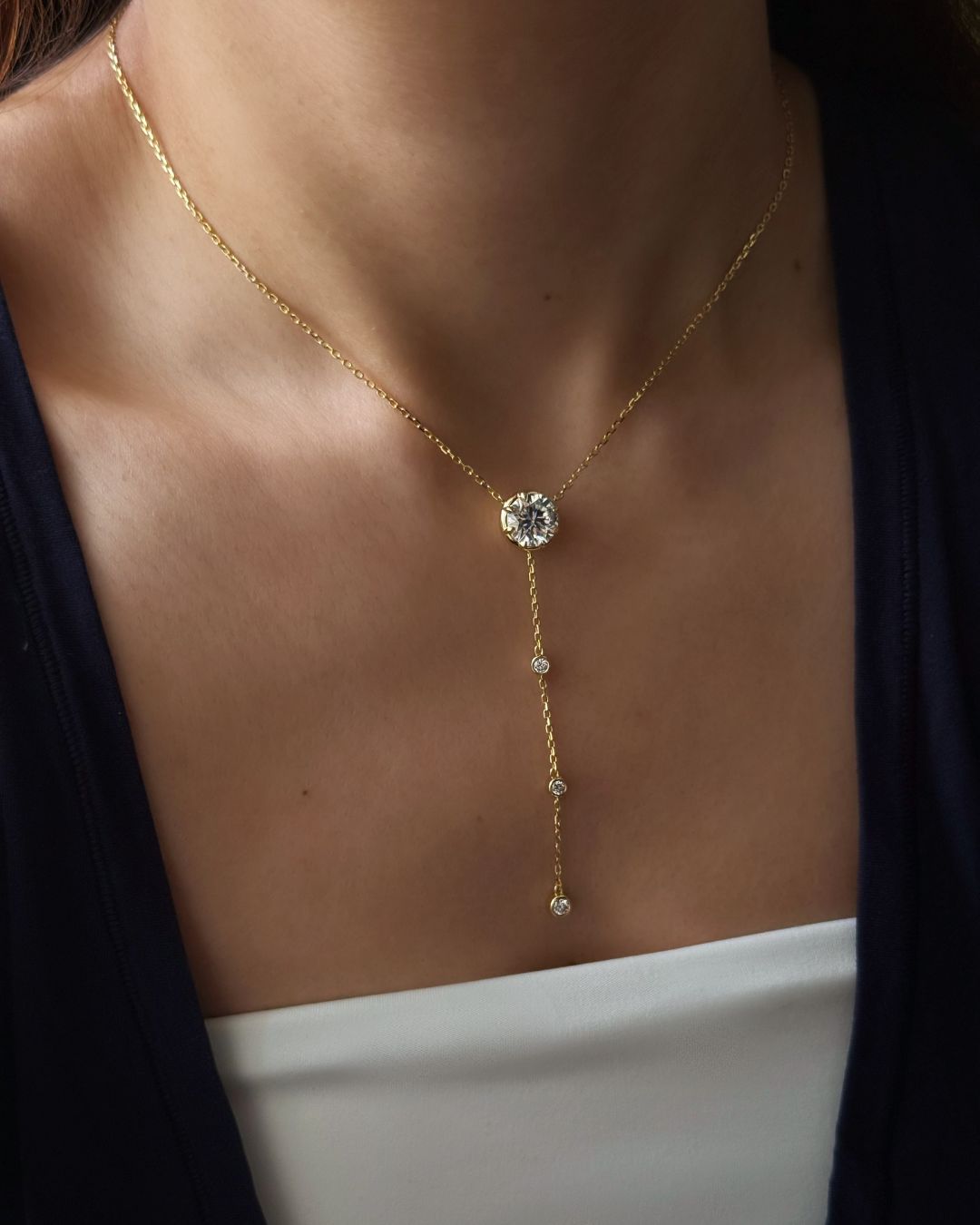
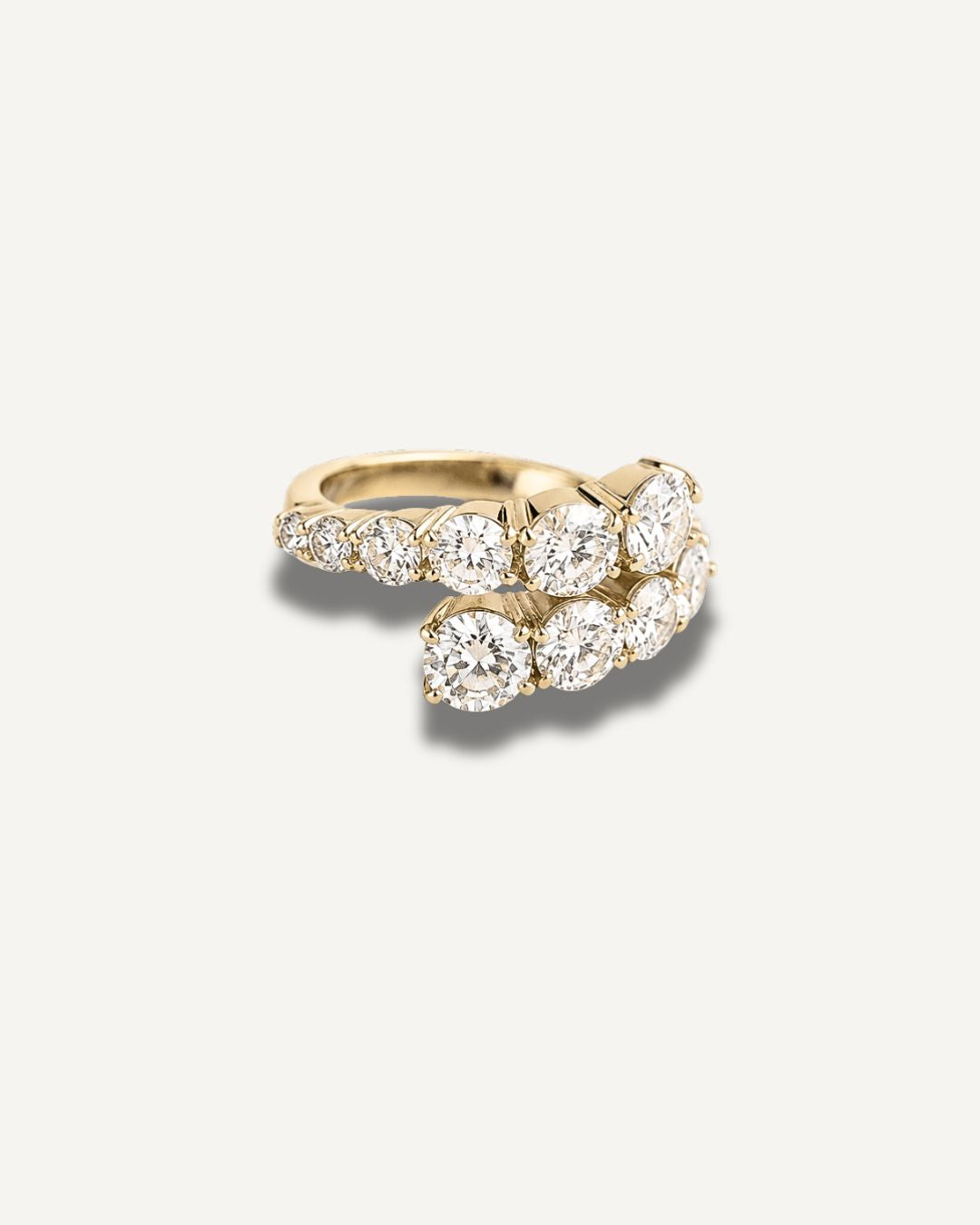
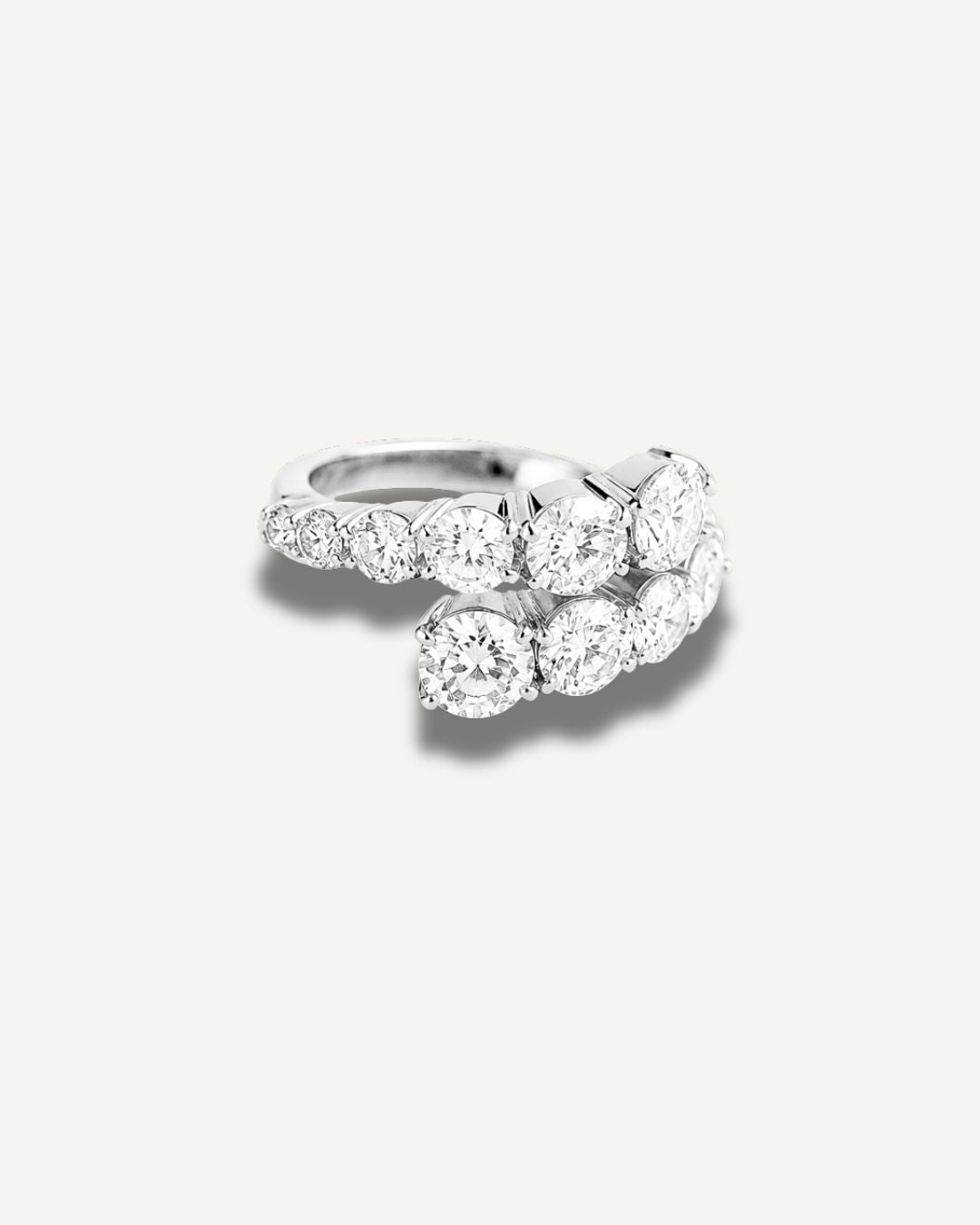
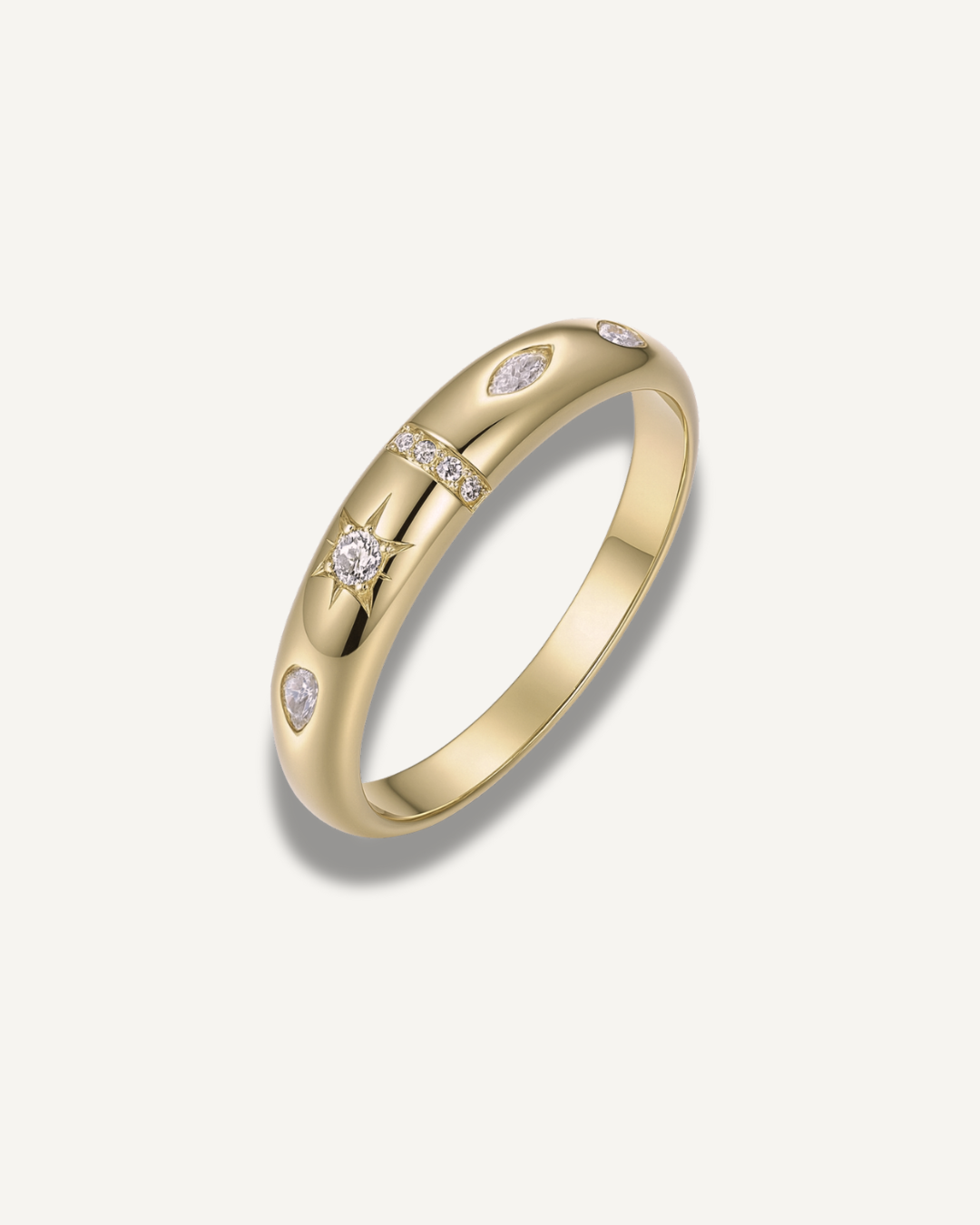
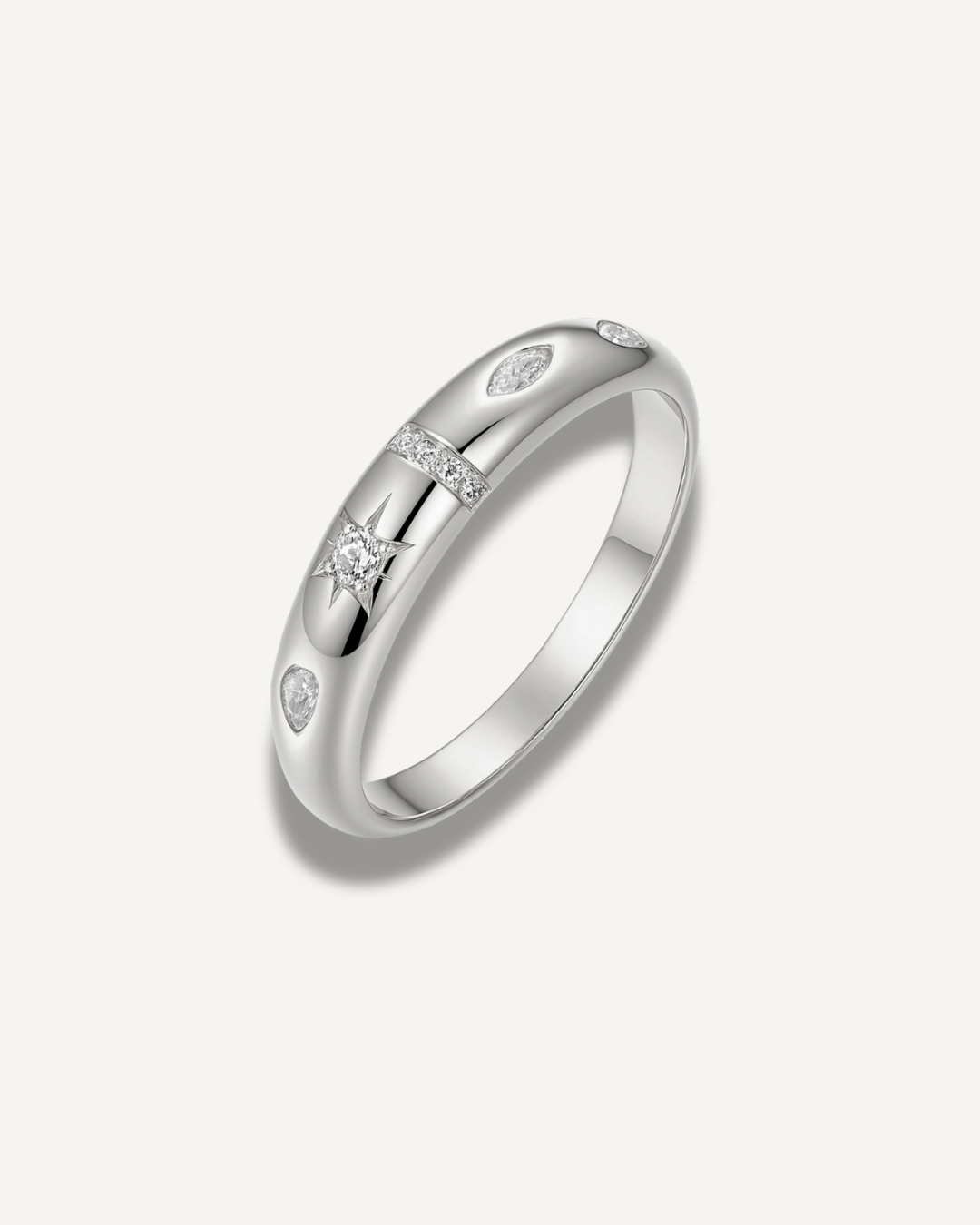
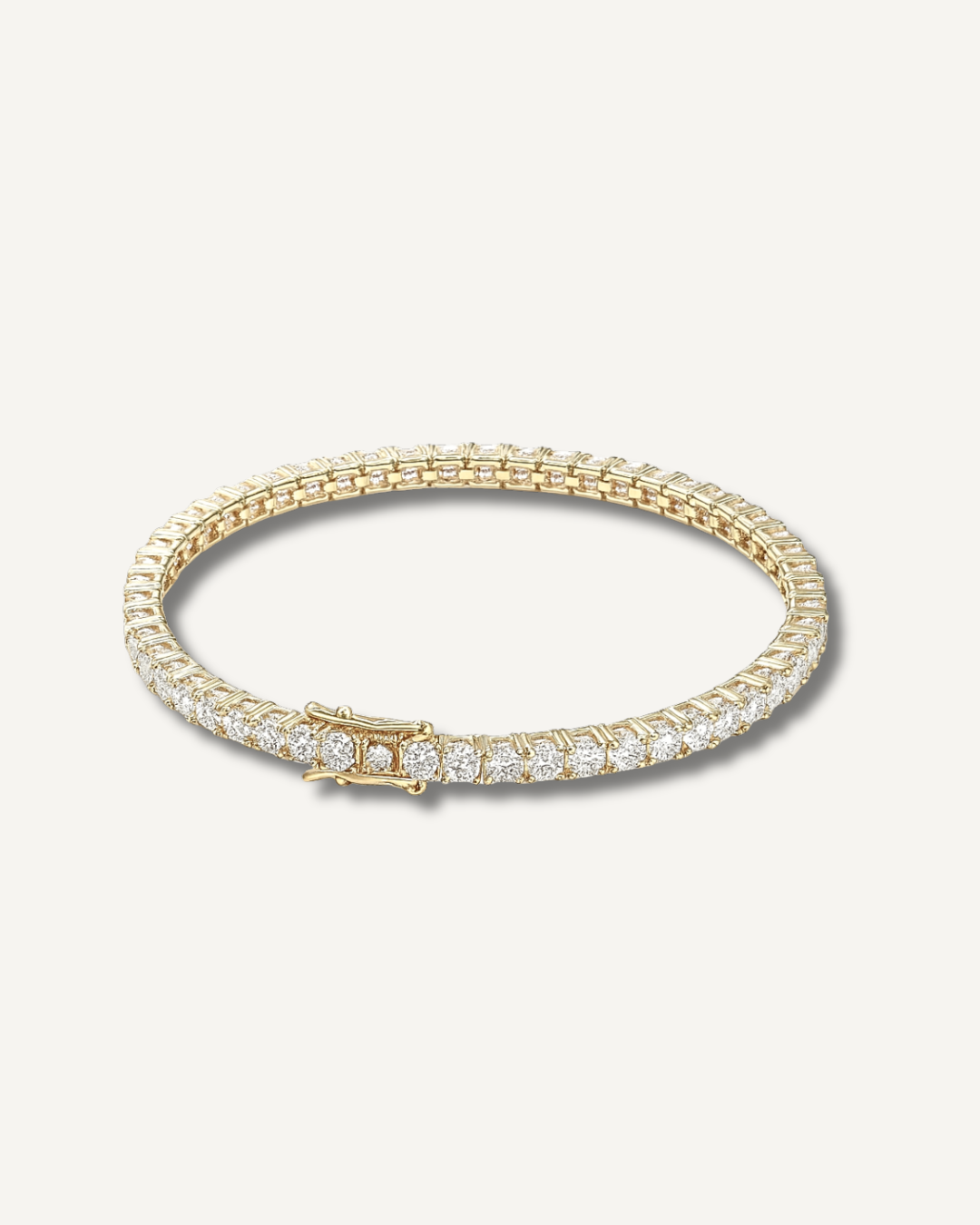
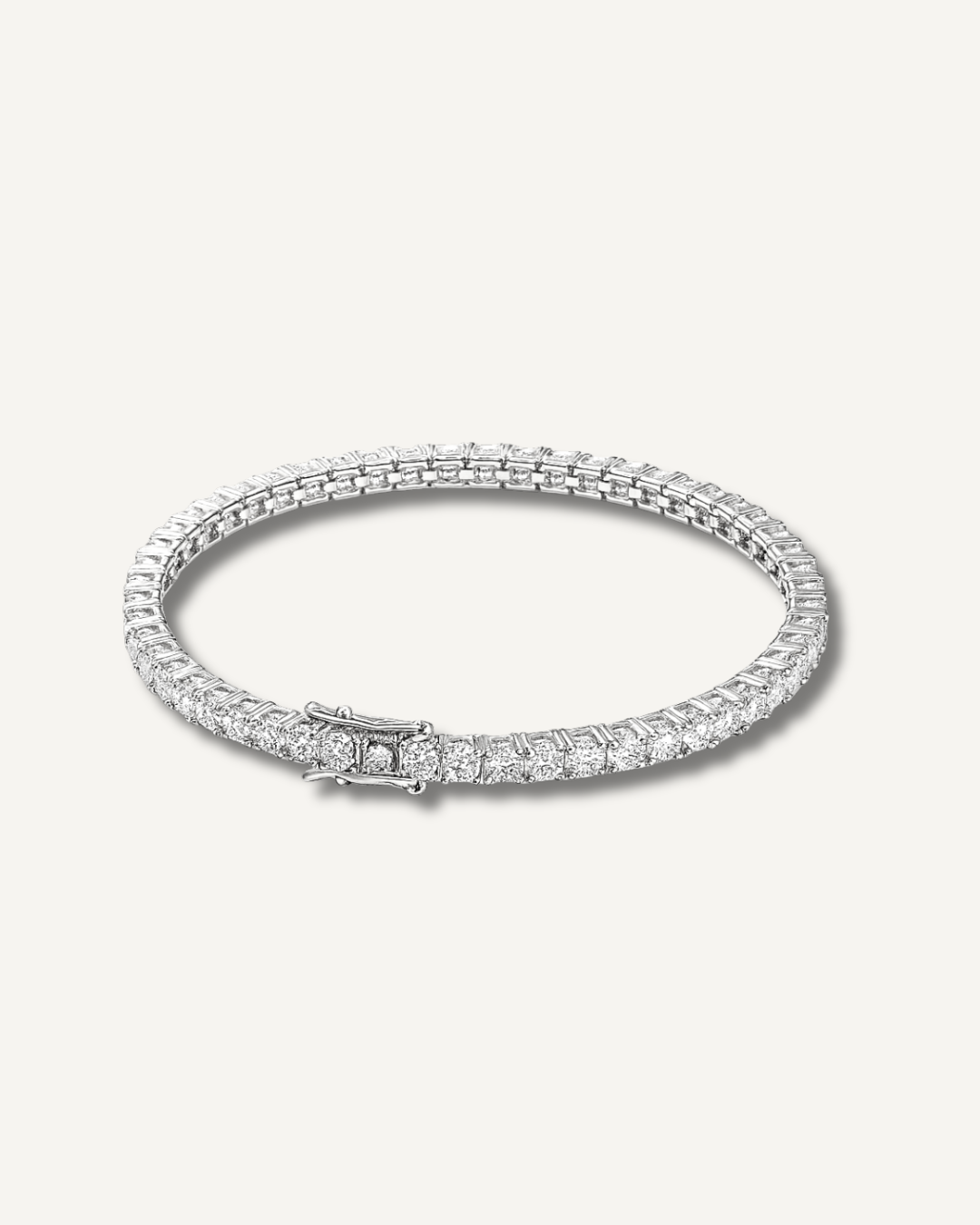
Our pieces use premium moissanite with:
• D color
• VVS1 clarity
• Excellent cut
• GRA certification
Meaning each stone is elite-level quality — whether you test it or not.
I’ve created bite-sized guides for every question you'll probably Google about moissanite:
👉 Is Moissanite a Diamond?
👉 Why Is Moissanite So Cheap?
👉 How Is Moissanite Made?
👉 Does Moissanite Get Cloudy?
👉 Is Moissanite Worth Buying?
👉 What Moissanite Cut Sparkles the Most?
👉 Where Does Moissanite Come From?
If you’re building a collection of jewelry you’ll actually wear...
EXPLORE OUR MOISSANITE COLLECTION