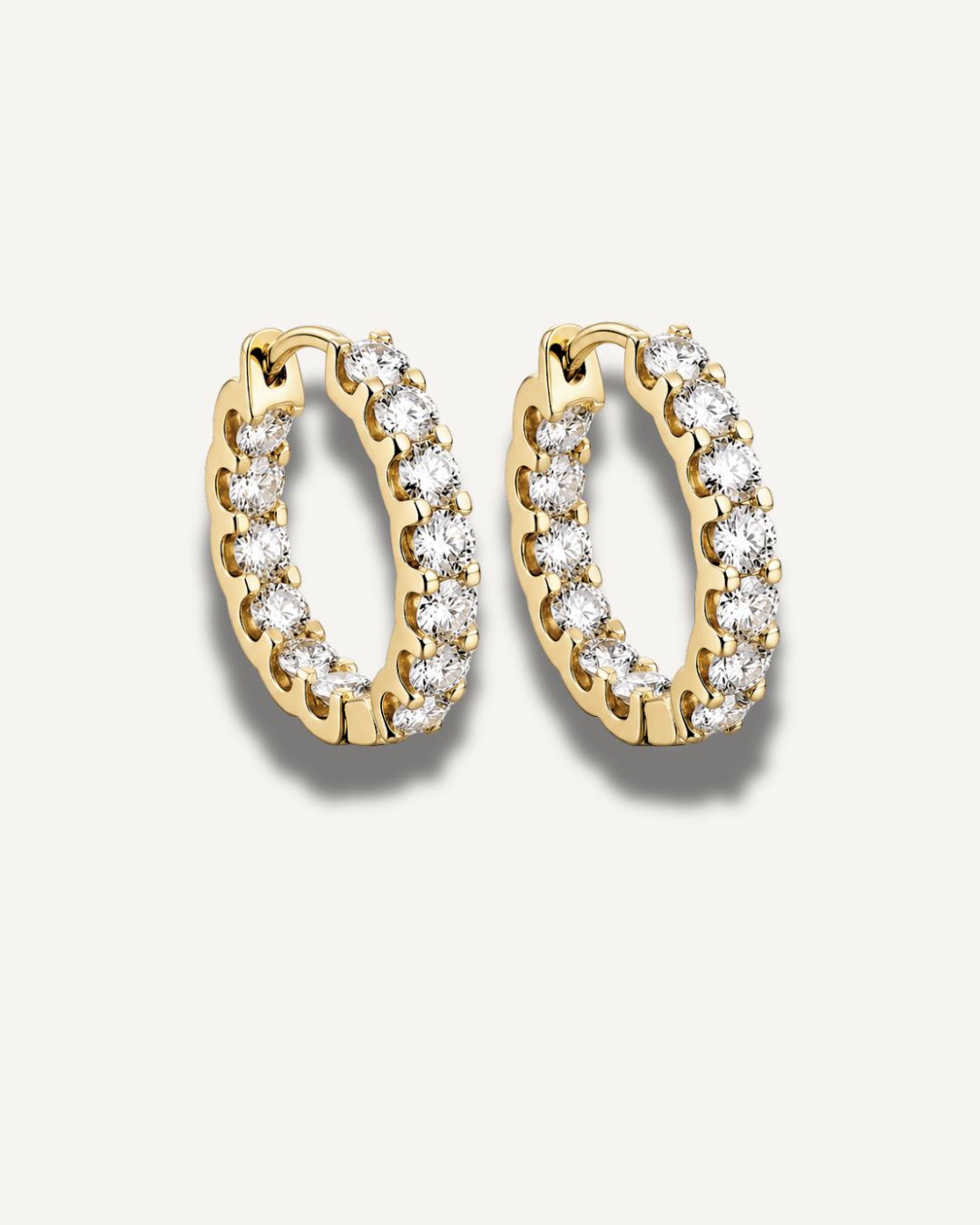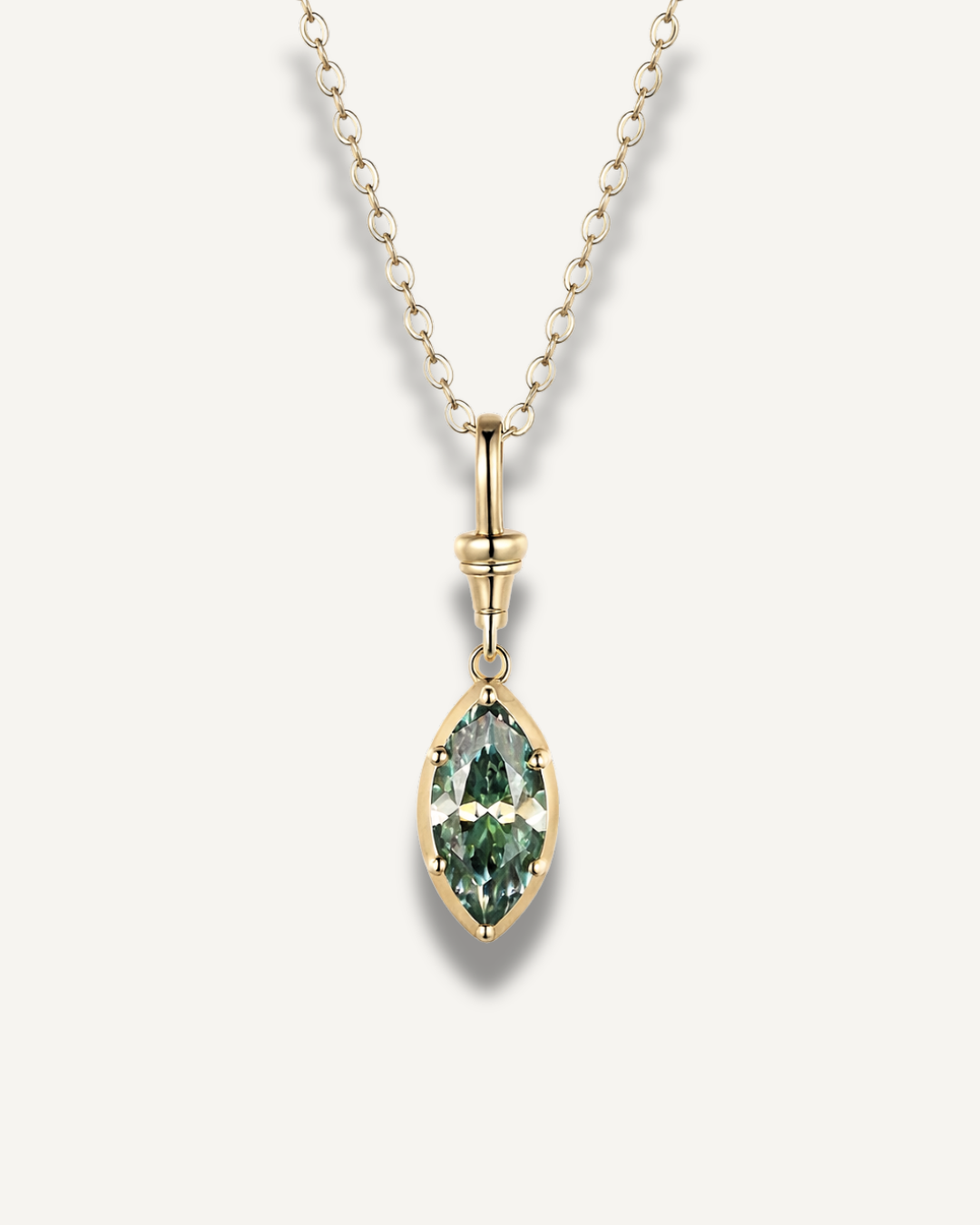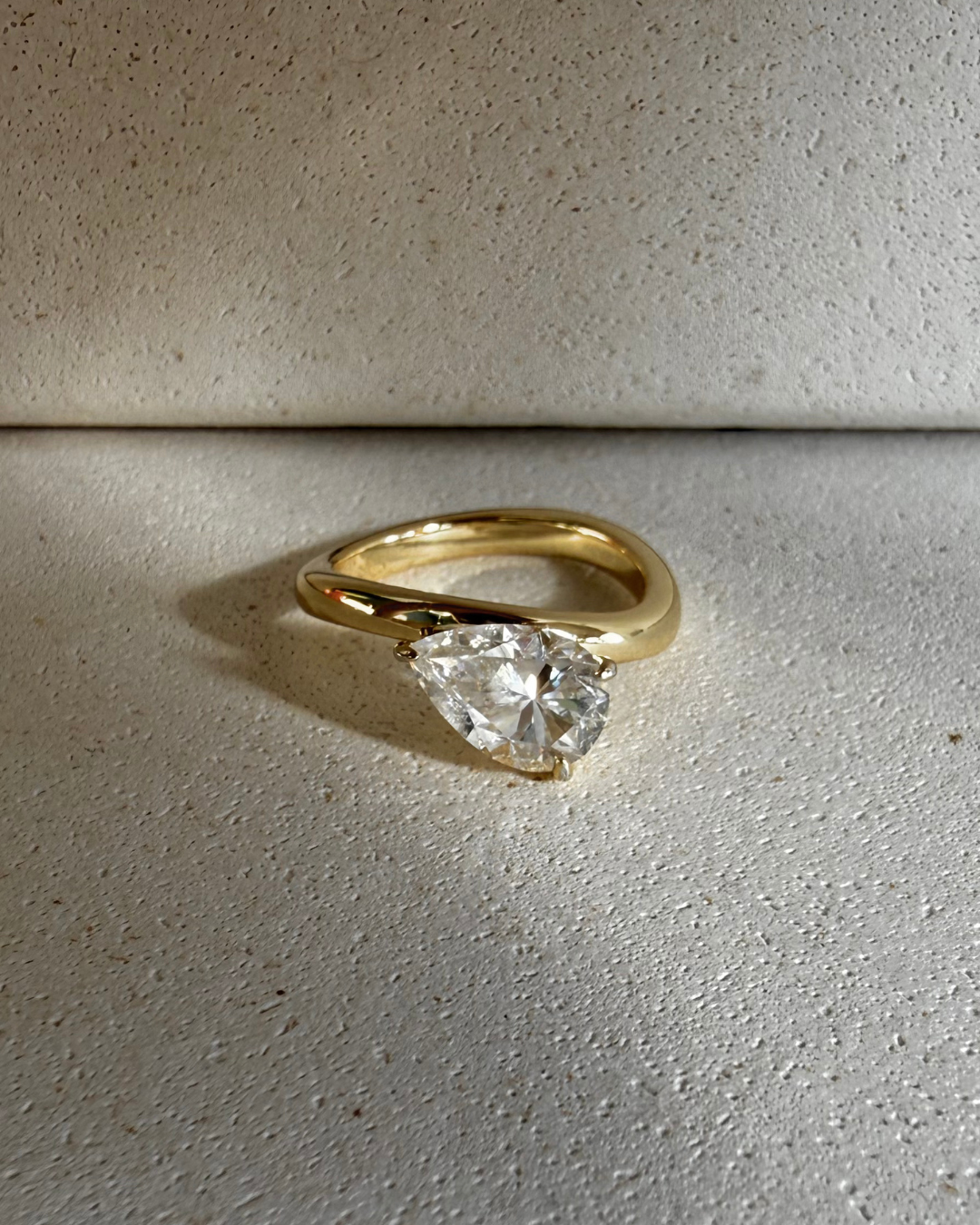
Where Does Moissanite Come From?
(The 10-Second Origin Story)
Moissanite has one of the coolest, most unexpected origin stories in the jewelry world — and it’s a big reason people trust and love it today.
Here’s the bite-sized version:
1. It Started in a Meteorite Crater
In 1893, French chemist Dr. Henri Moissan discovered tiny crystal fragments inside a meteorite crater in Arizona.
He originally thought they were diamonds…
but they turned out to be something entirely different: silicon carbide.
A gemstone from space? Yes, actually.
2. Tiffany & Co.’s Gemologist Helped Name It
The mineral was so unique that George Kunz, Tiffany & Co.’s legendary gem expert, suggested naming it moissanite — in honor of Dr. Moissan.
That’s right:
A gemstone recognized by Tiffany & Co.’s chief gemologist.
Instant credibility.
3. Why It’s Lab-Grown Today
Natural moissanite is rare — extremely rare.
Found only in meteorites and deep mantle rock, there simply isn’t enough to make jewelry.
So scientists learned how to grow it ethically in labs, producing stones with:
✔ D color
✔ VVS1 clarity
✔ excellent cut
✔ consistent brilliance
✔ zero environmental damage
This is why modern moissanite is premium, ethical, and reliable.
4. What This Means For You
Moissanite isn’t just “another gemstone.”
It’s:
→ cosmic in origin
→ perfected with science
→ ethical
→ durable
→ brilliantly modern
→ meant for everyday heirloom jewelry
A gemstone with a story — and the performance to match.
The Kampy Standard
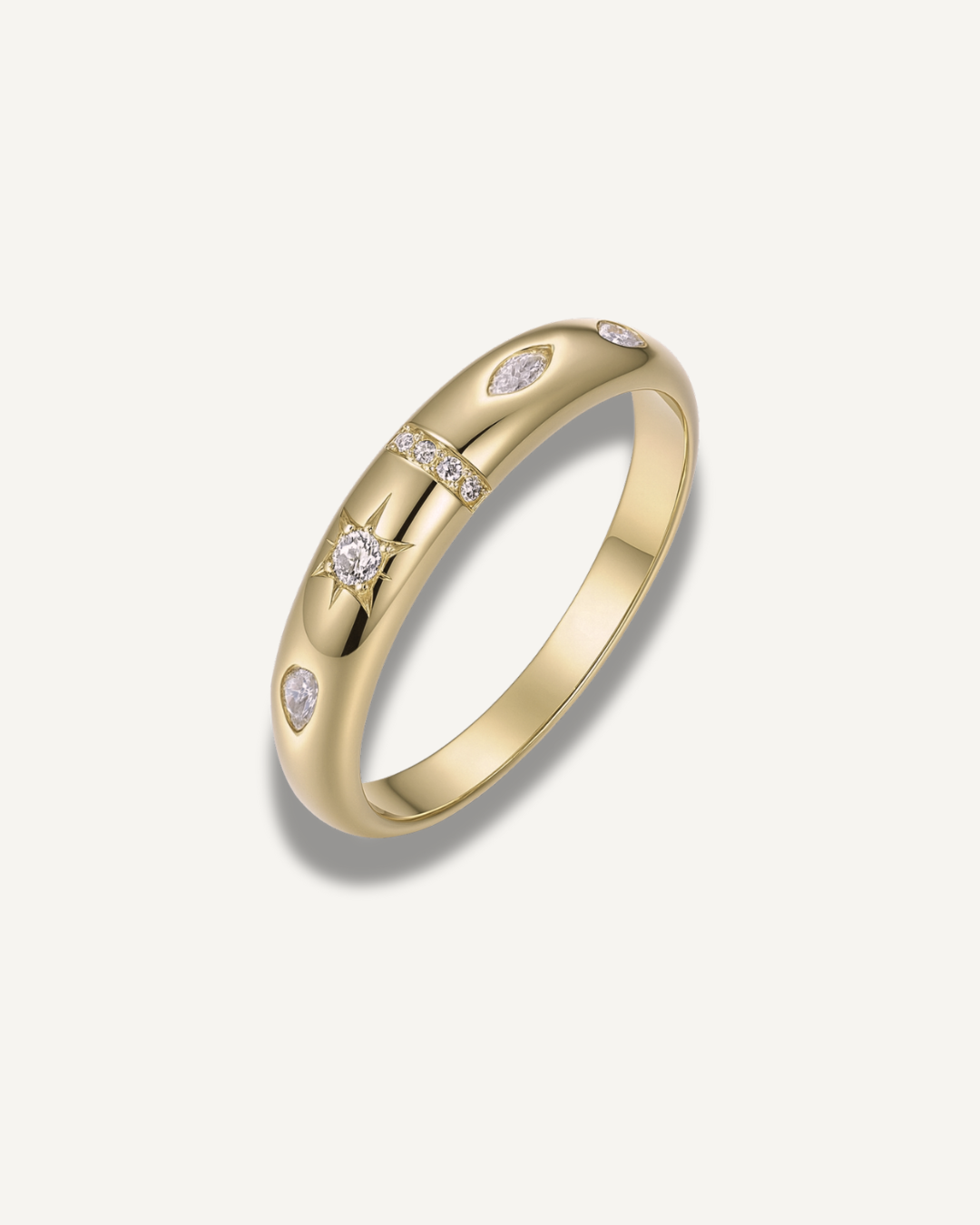
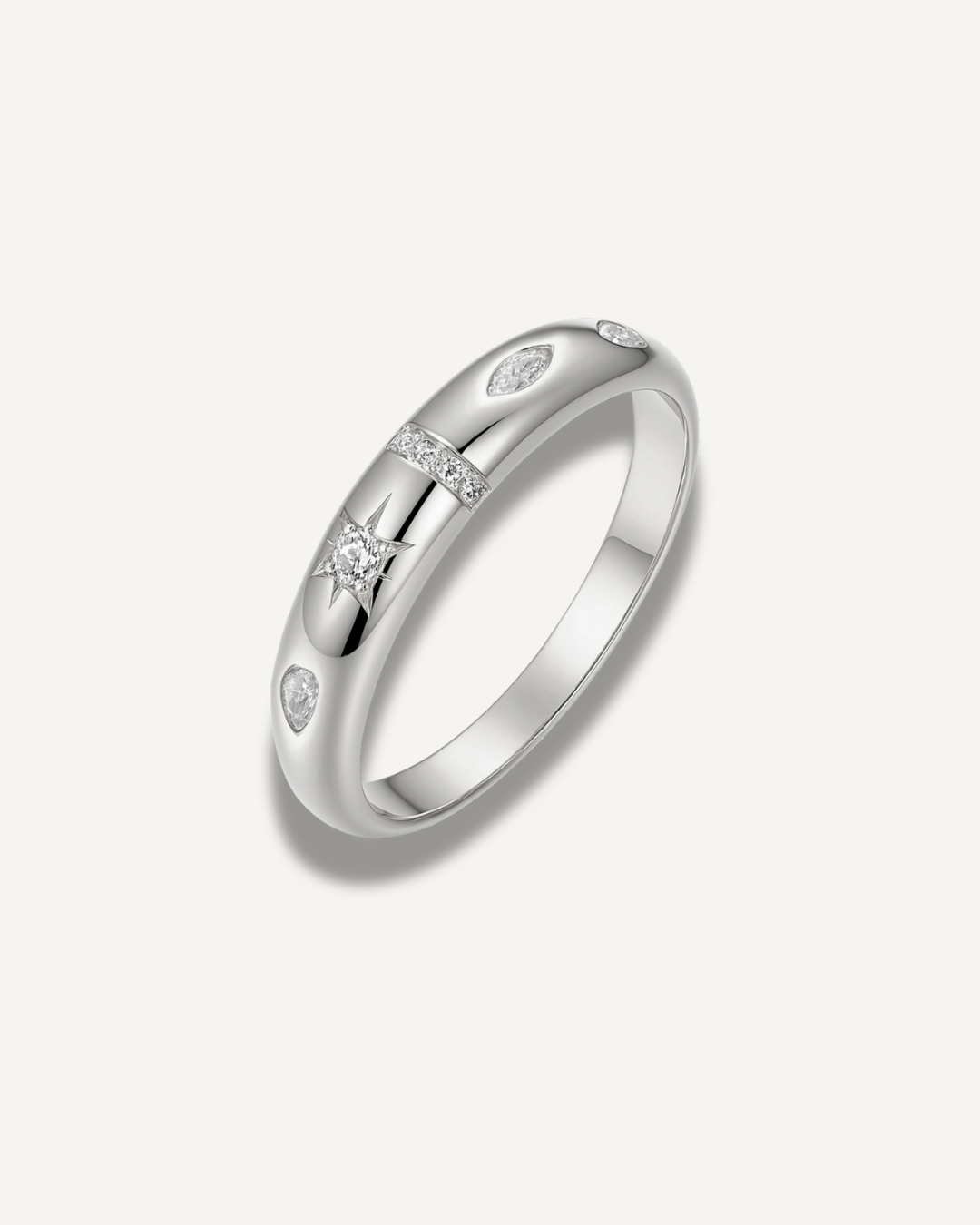
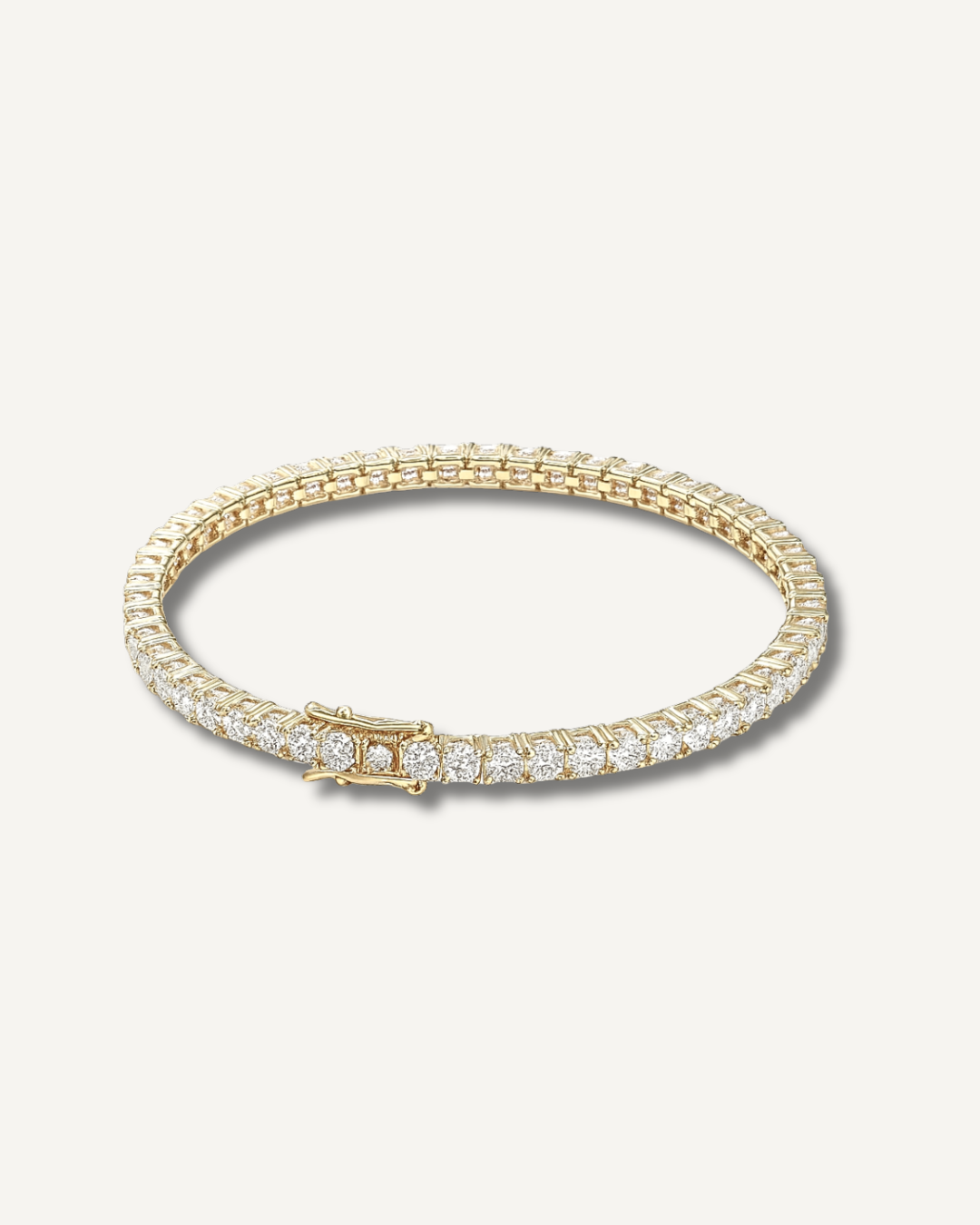
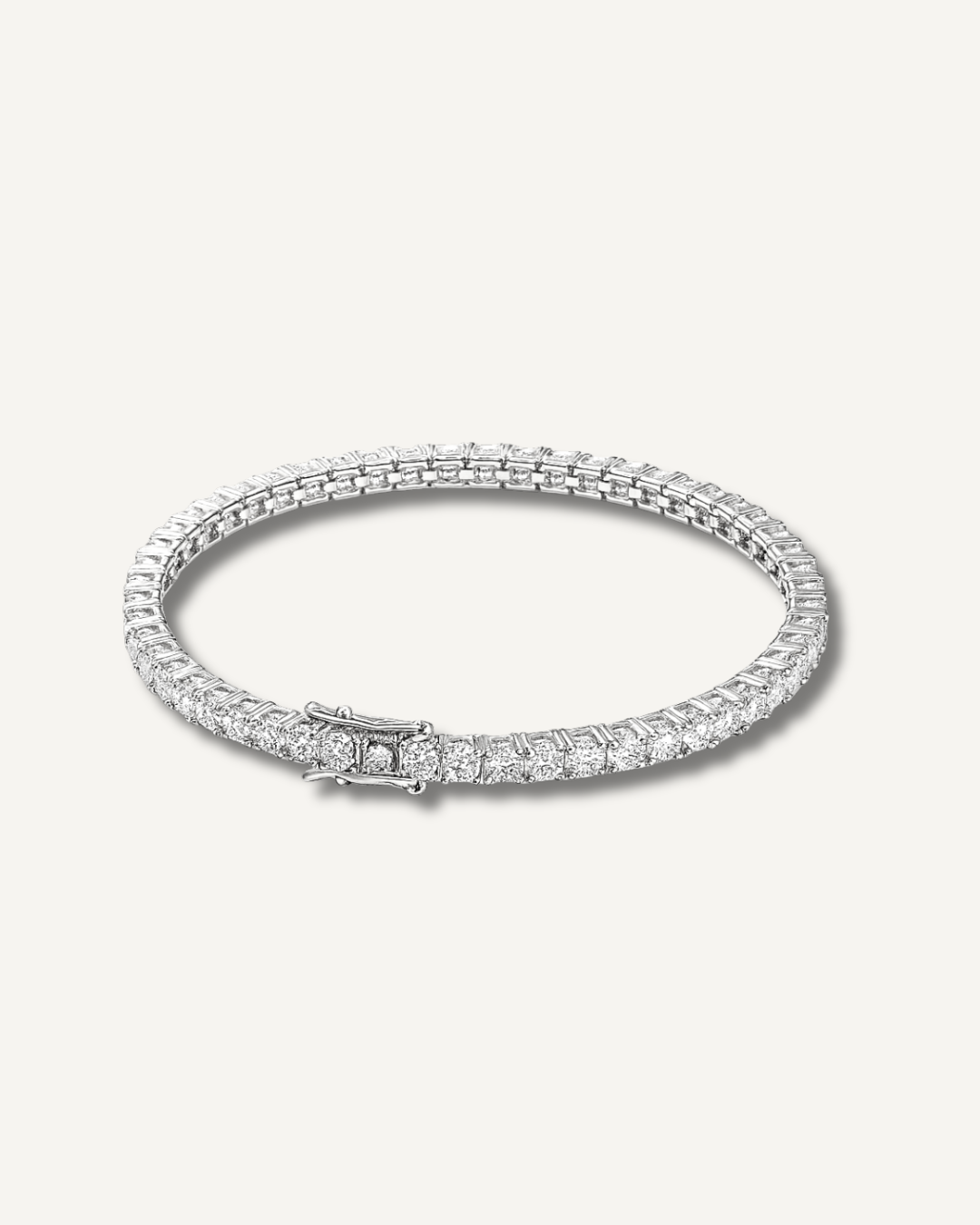
Every Kampy stone is:
→ D Color
→ VVS1 Clarity
→ Excellent Cut
→ GRA-Certified
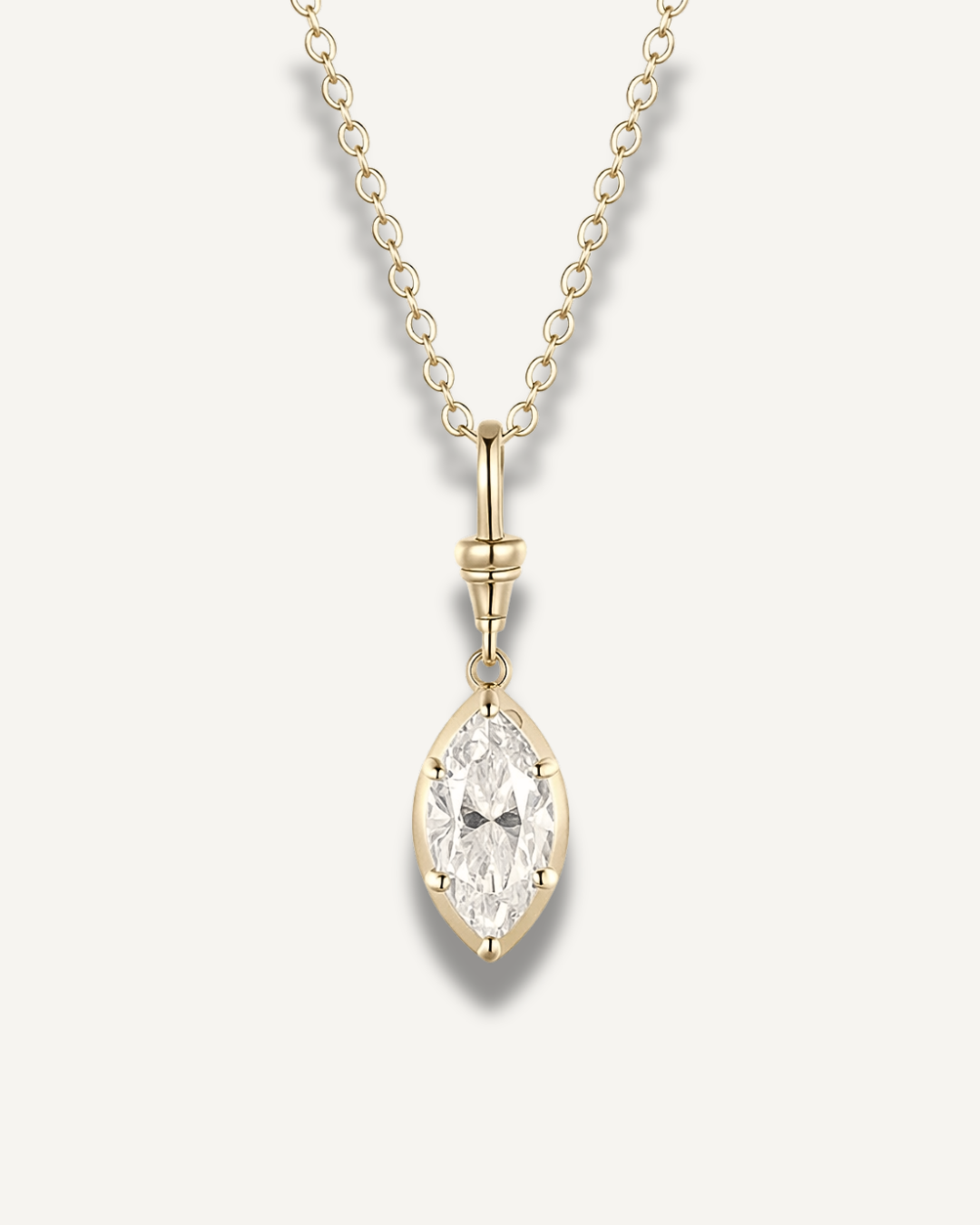
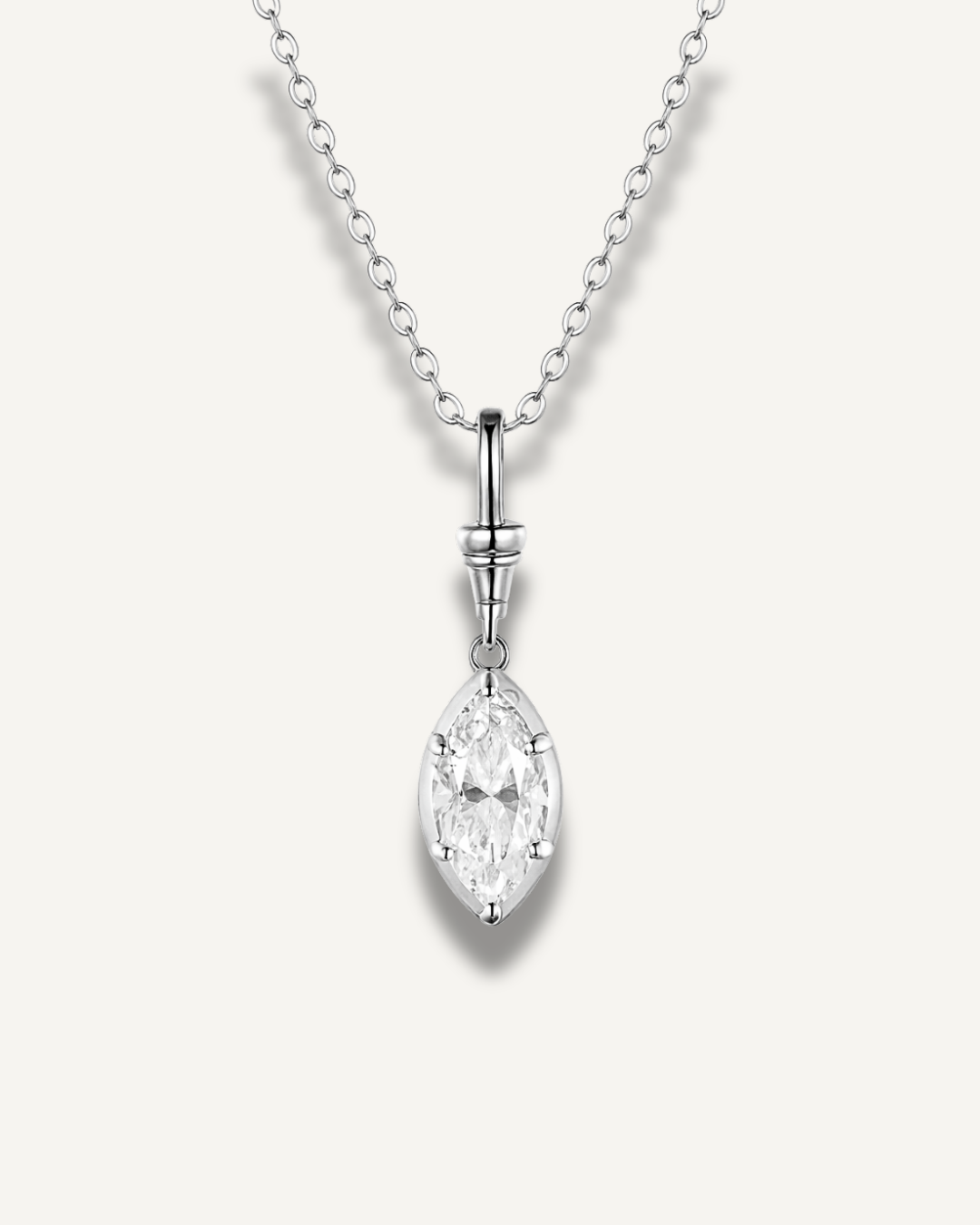
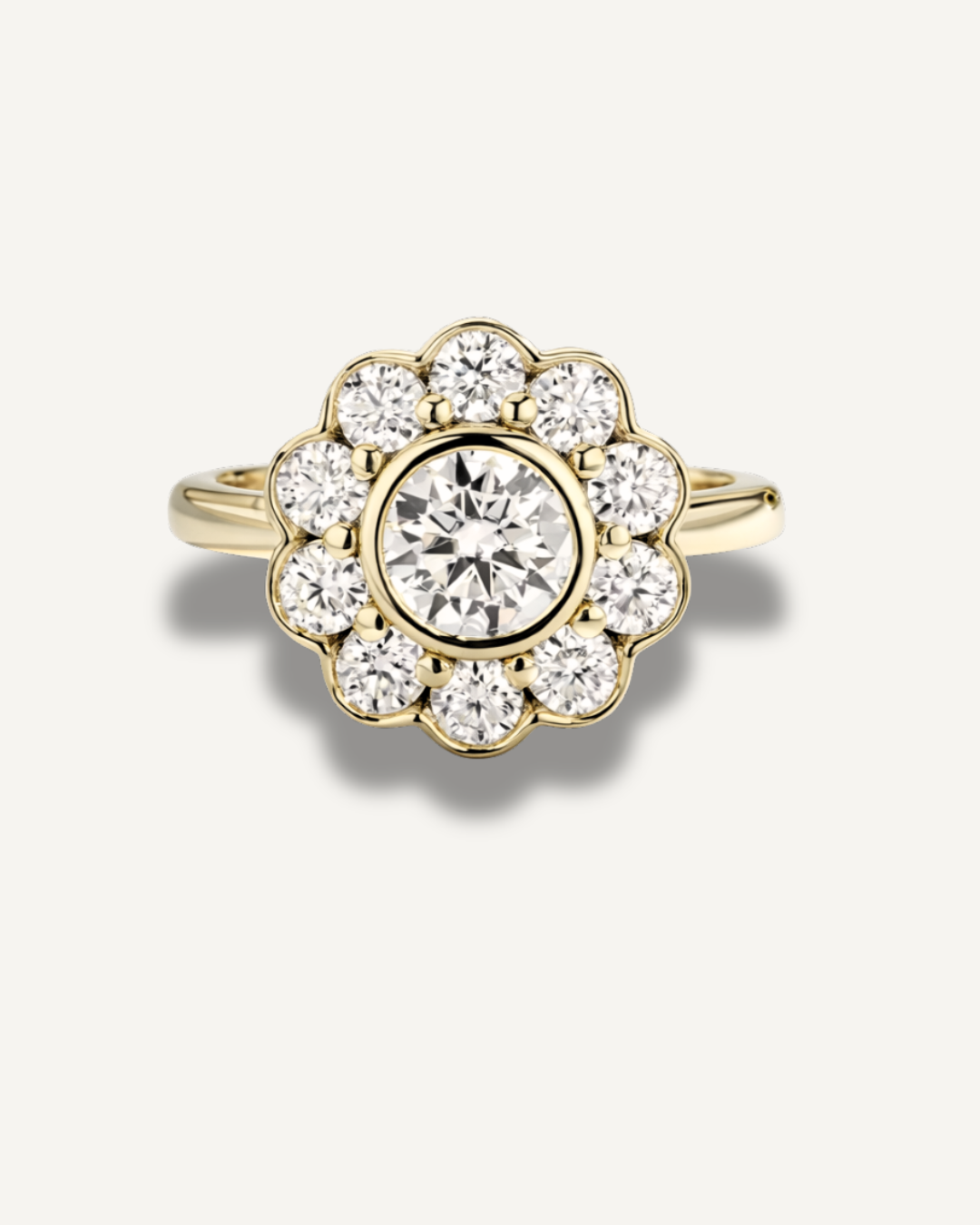
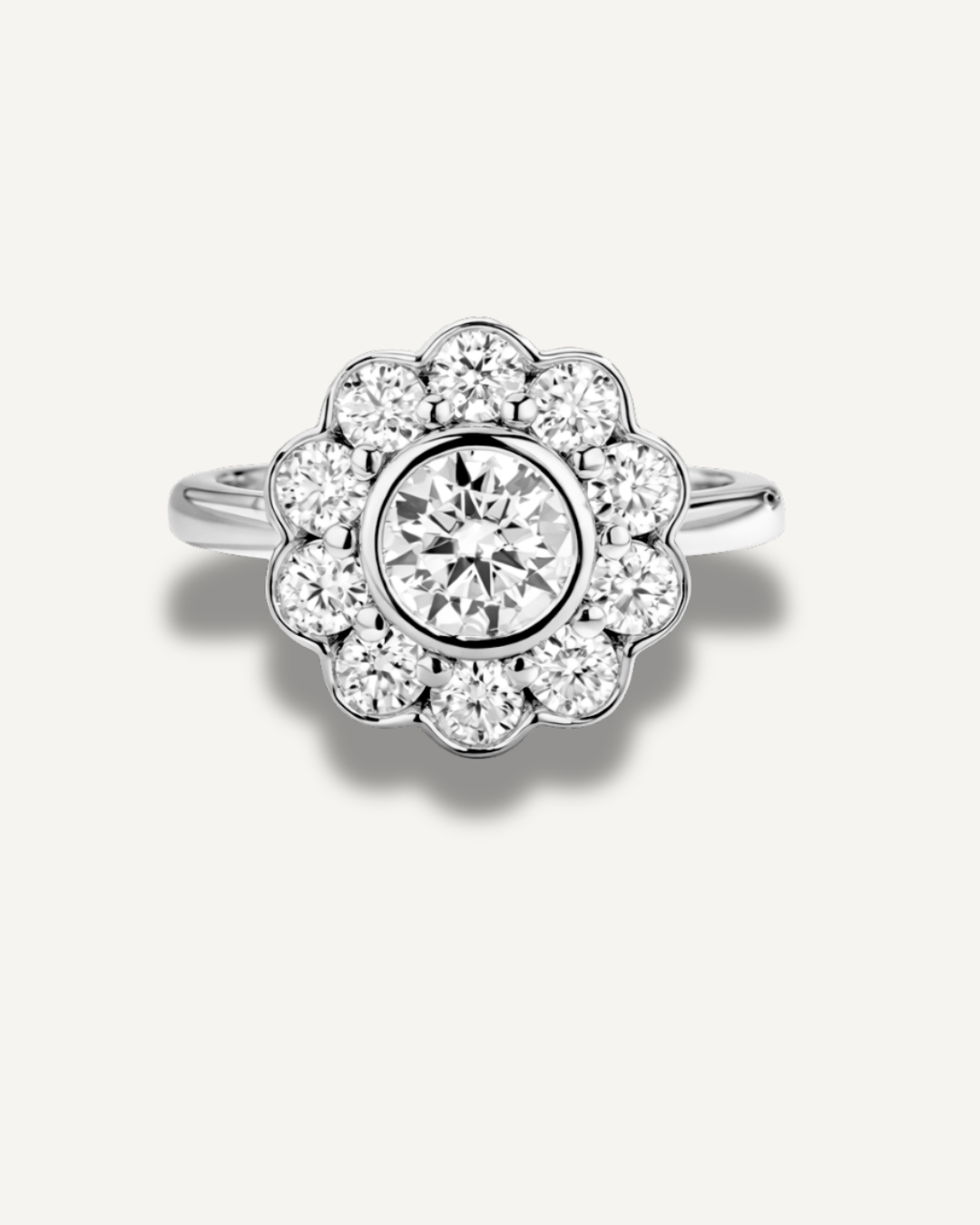
This is how we deliver everyday luxury that lasts — with a cosmic origin to back it up.
I’ve created bite-sized guides for every question you'll probably Google about moissanite:
👉 Is Moissanite a Diamond?
👉 Why Is Moissanite So Cheap?
👉 How Is Moissanite Made?
👉 Does Moissanite Get Cloudy?
👉 Is Moissanite Worth Buying?
👉 Why Does Moissanite Pass a Diamond Tester?
👉 What Moissanite Cut Sparkles the Most?
If you’re building a collection of jewelry you’ll actually wear...
EXPLORE OUR MOISSANITE COLLECTION